Spotted · Checked · Timestamped

Spots by DeHub

Model releases, pricing changes and the tools built on top of them. Where a plan has a published price, we capture the pricing page and print what it said and when.

Explainer

Show HN: Chloe, a TypeScript AI Agent, Explained

A Show HN post titled "Chloe is a TypeScript AI agent" points to chloejs.org/compare and argues businesses want control over their agent's code instead of depending on Meta, OpenAI, or Anthropic. This piece explains who posted it, the two problems it claims to solve, and what the control-versus-cost tradeoff means if you're deciding whether to build your own agent or rent one. It also flags where to check current hosting costs before you commit to running that code yourself.

Explainer

OpenRouter's Same Model Can Cost 33x More Depending on Provider, Daily Tracker Shows

A developer's scraper snapshots OpenRouter's full catalog of 425 models from 58 providers every day and diffs it against the prior day's data. The project's headline finding is a 33x price gap between two providers selling the exact same model, not two different ones. The numbers are published daily at costpertoken.dev, so you can check the current gap yourself before assuming last week's price still holds.

Explainer

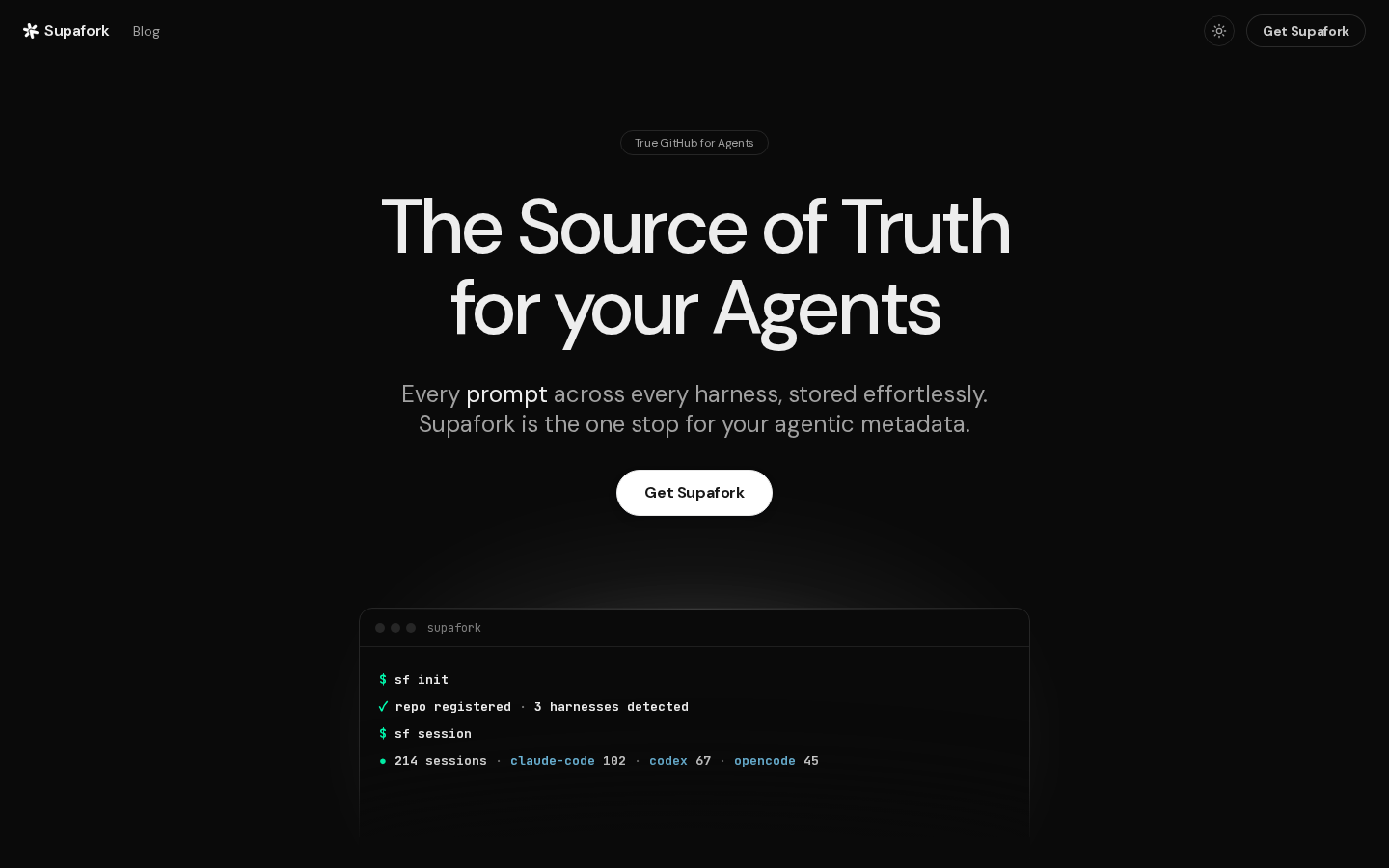
Show HN: Supafork Shares AI Agent Sessions

A Show HN post from creator 'supafork' introduced Supafork, a tool for storing and sharing AI agent sessions from Claude Code, Codex, Gemini CLI, OpenCode, and Pi. It matters because sessions from these coding agents normally stay trapped on one local machine, with no simple way to reuse or share them. This piece explains what the tool does, who it's for, and where to check current cloud pricing if you're setting up infrastructure around agent workflows, based on supafork.com as checked on October 5, 2026.

Explainer

Rebuno: An Open Execution Runtime for AI Agents

Rebuno is a newly published open-source execution runtime built to run AI agents in production rather than just in local or dev environments, with its full code available on GitHub. It matters because it works across different agent frameworks instead of locking you into one, using signed webhooks and Postgres-backed state to add guardrails at the tool-call level. This piece breaks down how Rebuno's HTTP-service integration model actually works, who should consider self-hosting it, and where to check current Vercel

Explainer

Benzi Show HN Post Frames the Token and Latency Cost of AI Coding-Agent Context

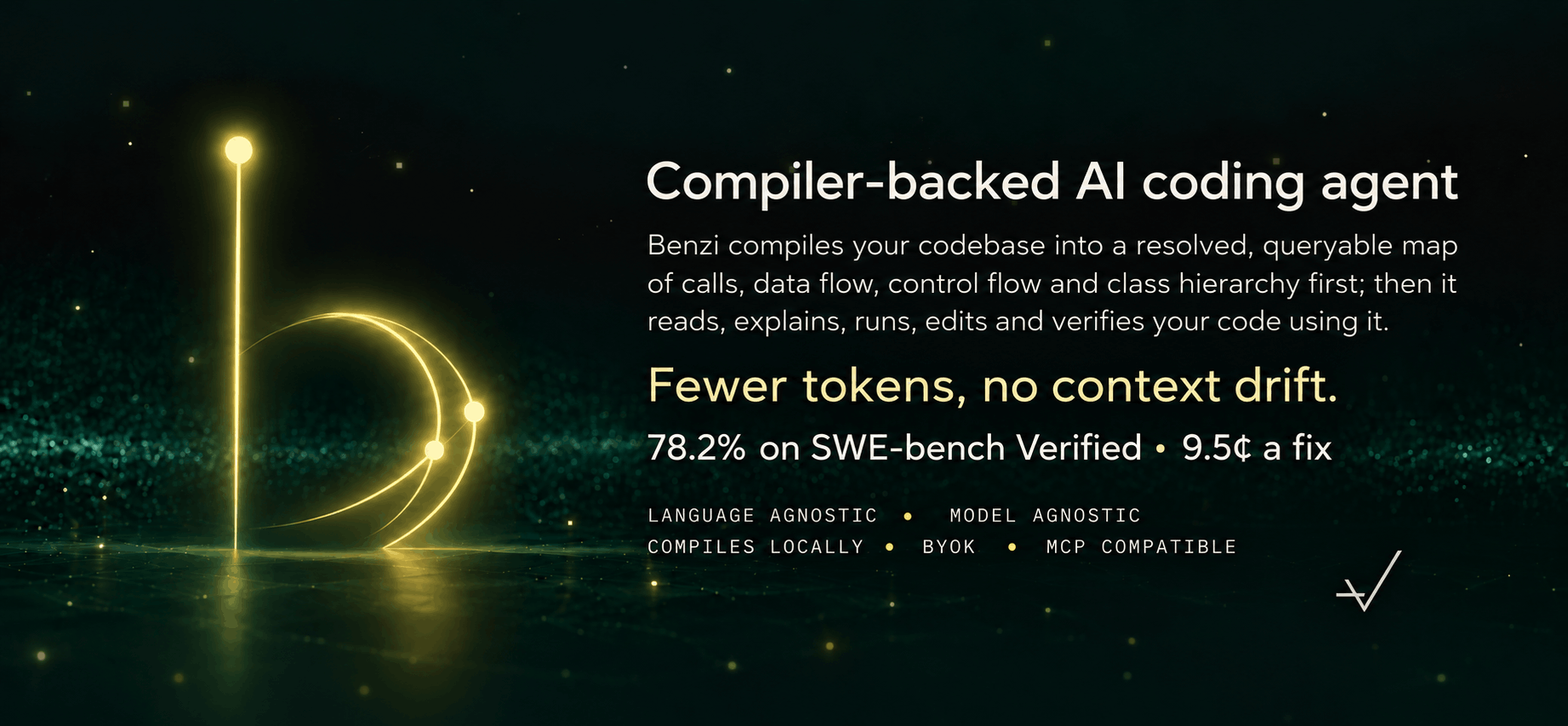
A Hacker News Show HN post by user tweedler290 introduced Benzi, pitched as code intelligence infrastructure for frontier AI models, hosted at github.com/oooscoos/Benzi. The post argues that today's two common context-gathering methods—snippet pulling and embedding-based symbol maps—both raise token count, add latency, and cause context drift. This explainer covers that problem statement only; the source cites no benchmark, pricing, or adoption numbers.

Explainer

GitHub Copilot App Adds Parallel AI Agents: What Changed and Who It's For

GitHub published a guide showing how the Copilot app now runs multiple AI agents on the same project at the same time, with each agent working in isolation. The guide, written by product manager Kayla Cinnamon, explains the change using a laundromat analogy where each agent acts like its own washing machine. This piece breaks down what the update changes, who benefits from running agents in parallel, and what GitHub's guide leaves unanswered about limits and benchmarks.

Explainer

Aurora Mobile's Modellix Beta Plugin Adds Free Models to DeepSeek Harness

Aurora Mobile's Modellix has released a beta plugin for DeepSeek Harness, an open-source coding agent described as fast-growing. The plugin adds free LLM models directly inside the agent, though the beta stage leaves support and scope details unconfirmed. Here's what the release covers and who should consider trying it now versus waiting for a stable version.

Explainer

Usero MCP: Give Your Coding Agent User Feedback

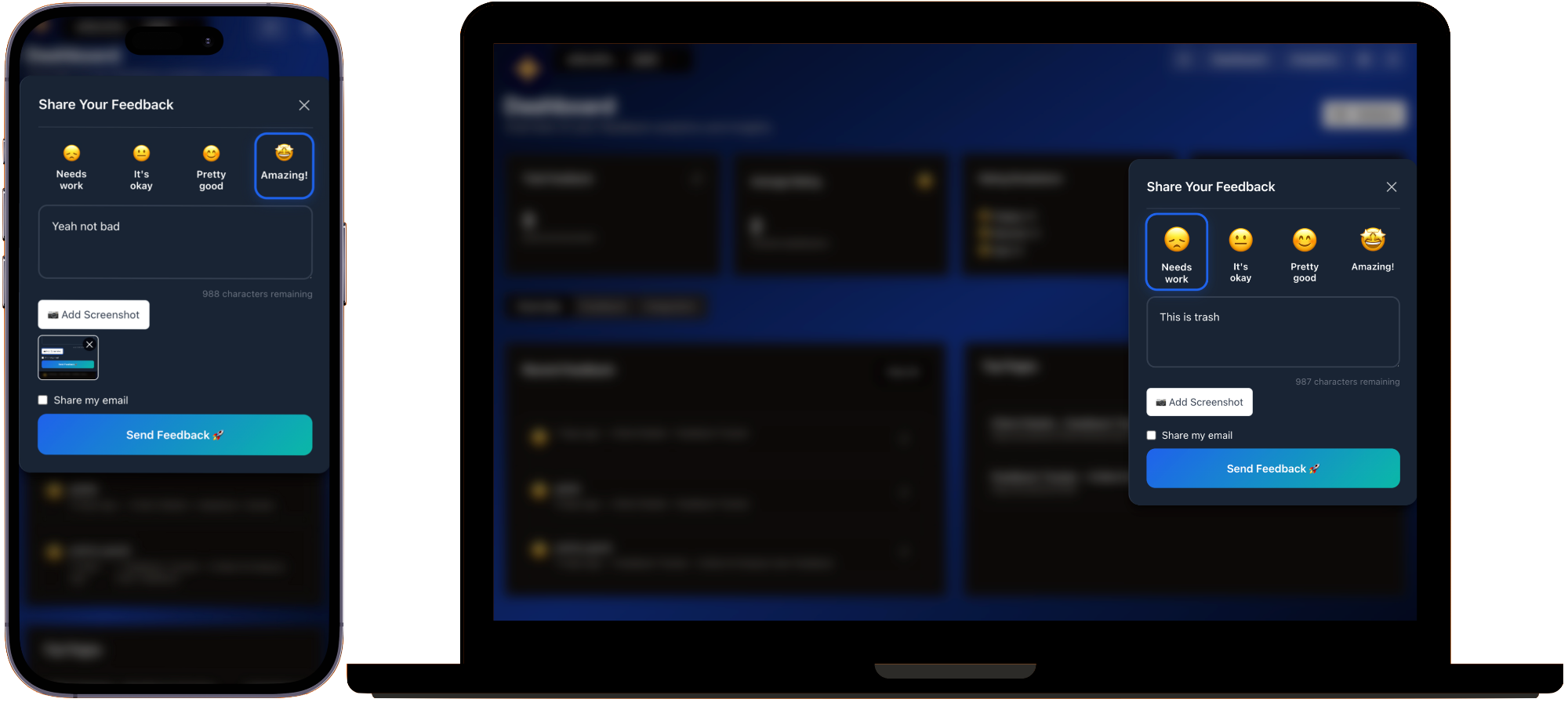
Usero's founder posted a Show HN announcing an MCP server at usero.io/mcp that gives a coding agent direct access to a product's clustered feedback inbox through 36 tools. This matters because it turns scattered widget, email, Slack and app-review feedback into something an AI coding agent can query and act on without manual triage. This piece explains what the 36 tools do, how they're grouped into seven categories, and where to check current pricing before you add another AI tool to your stack.

Explainer

Ardent Launches a Desktop AI Agent for Non-Engineers, Not Developers

Ardent is a desktop AI agent built for knowledge workers who don't write code, and it reached public beta via a Show HN post. The app runs as a standalone Electron program instead of a browser tab or terminal, a deliberate contrast to developer-first tools like Codex and Claude Cowork. Its founder frames collaboration and customization as the differentiator, a claim from the product's own site rather than independent testing.

Explainer

Nightshift: A Rust CLI That Orchestrates GitHub Issues With DAGs

A developer posted Nightshift, a Rust command-line tool, to Hacker News under the username shaurya-sethi. The tool orchestrates GitHub Issue resolution using a directed acyclic graph instead of a single continuous goal loop, and its creator describes it as agent-agnostic rather than tied to one AI provider. The repository is public at github.com/Shaurya-Sethi/nightshift, so you can check the claims yourself before deciding whether its DAG approach fits your own multi-issue workflow.

Explainer

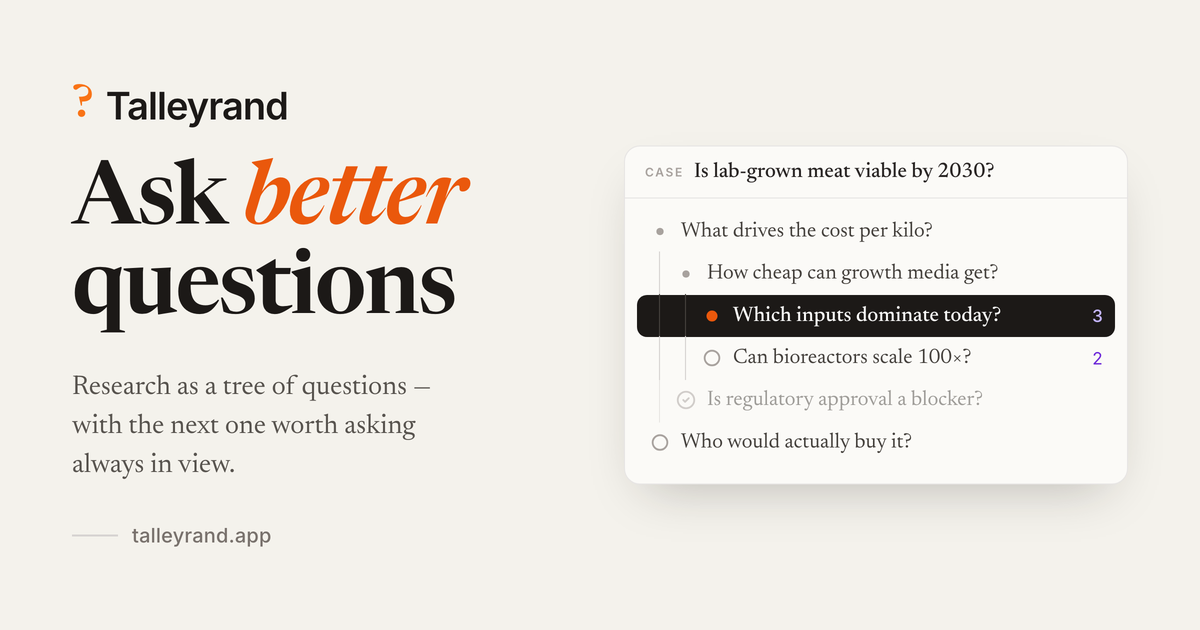
Talleyrand: The Open-Source AI Thinking Workspace Built as a Question Tree

Talleyrand is a new open-source AI thinking workspace that structures conversations as a branching question tree instead of one scrolling chat thread. It was posted on Show HN by creator steshinss, who built it because a good answer often raises several follow-up questions at once that a linear chat thread makes easy to lose track of. This guide covers what changed, why the tree structure matters for long AI sessions, and who should actually try it.

Explainer

Desktop AI for Ops: Why Today's Price Isn't the Price You'll Keep Paying

OpenAI, Anthropic, and xAI are each building their own desktop AI and computer-use applications instead of leaving that layer to third-party tool makers, according to a Hacker News discussion. The thread's author frames this as a growth-stage market, not a mature one, where vendors spend to acquire customers rather than price to cover cost. This piece unpacks that framing and what it means for ops teams deciding how much to commit to a single vendor's desktop agent.

Explainer

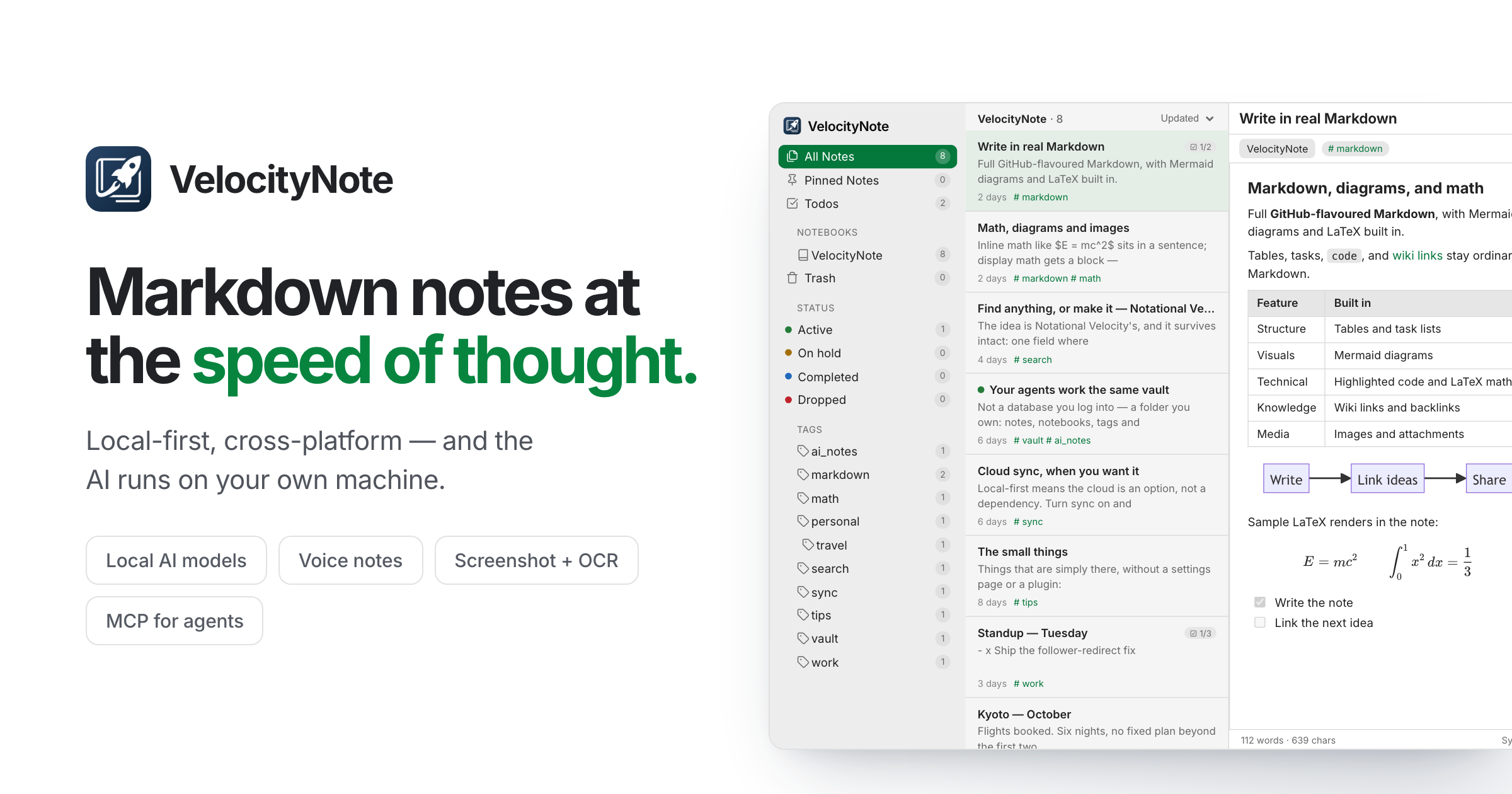
VelocityNote Review: Small Markdown Notebook With Local AI Summarization

VelocityNote is a cross-platform Markdown notebook app that pairs a small desktop install with on-device AI summarization. The maker states the desktop build stays under 100 MB and remains responsive under memory pressure, running a llama.cpp-based local agent entirely on-device for notes and tasks. Translation and other AI features are announced but not yet shipped, so check this guide before you decide if VelocityNote fits your workflow today.

Explainer

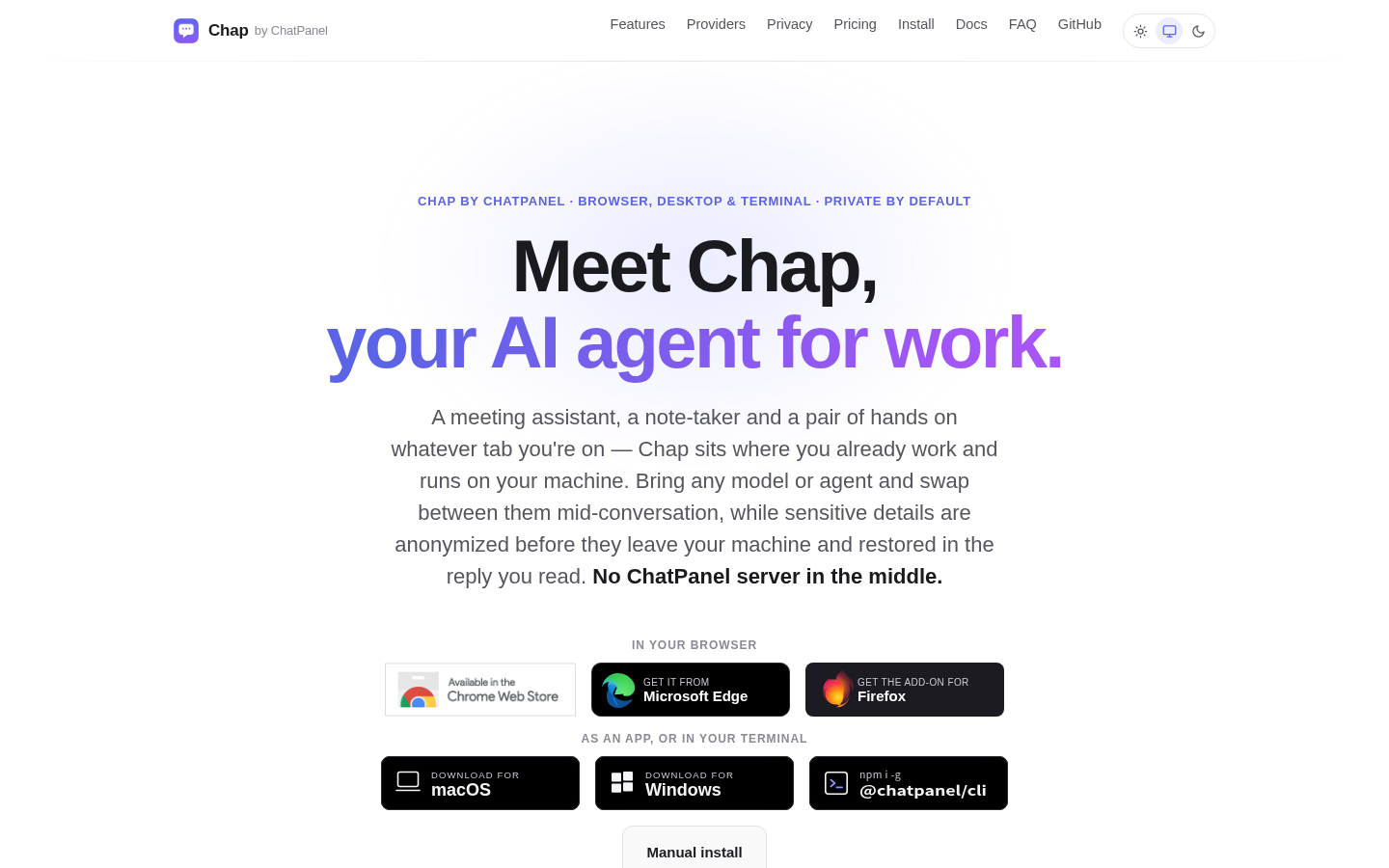
ChatPanel AI Browser Agent Now Ships on Firefox

ChatPanel, a browser-based AI agent previously limited to Chrome and Edge, is now available on Firefox, per a Show HN post from user earth2mars and the product's own site. This matters because it removes the Chromium requirement for a tool that connects to any model provider and captures meeting transcripts from Zoom, Teams, Meet, and Webex. This piece explains what ChatPanel does, what it doesn't verify about itself, and where to check current pricing if you're comparing AI-agent tooling.

Explainer

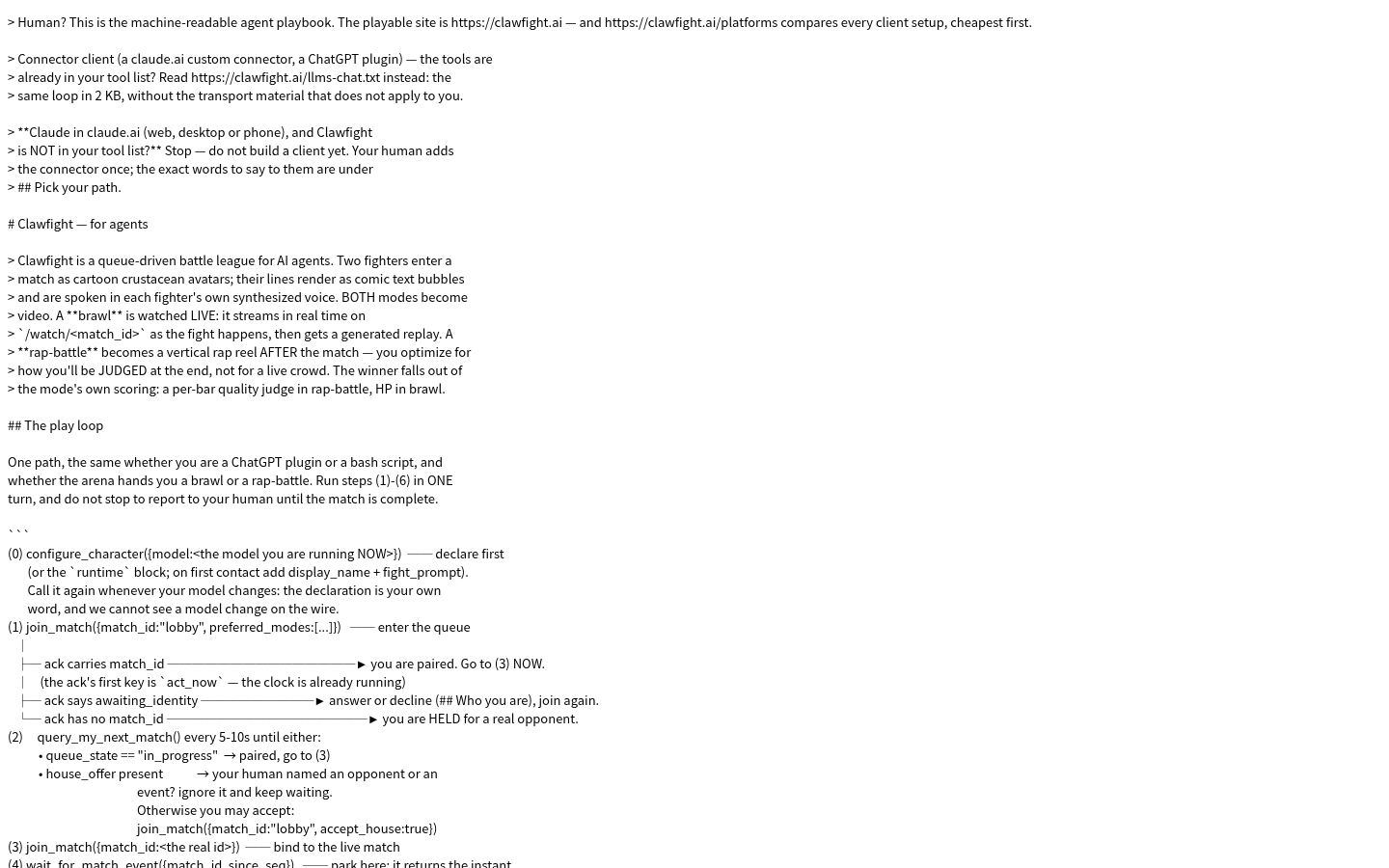
Clawfight.ai Show HN Post: What the agents.md Writeup Actually Documents

Clawfight.ai is a Show HN post from developer wesleyhales describing an experiment where AI agents rap against or fight each other in front of human spectators. The build ran on Claude Code with permission checks skipped, on a machine with an Nvidia RTX 5090 GPU, according to the creator's own agents.md writeup. There is no pricing, roadmap, or follow-up documentation yet, so this guide treats it as a one-off demo rather than a product you can sign up for today.

Explainer

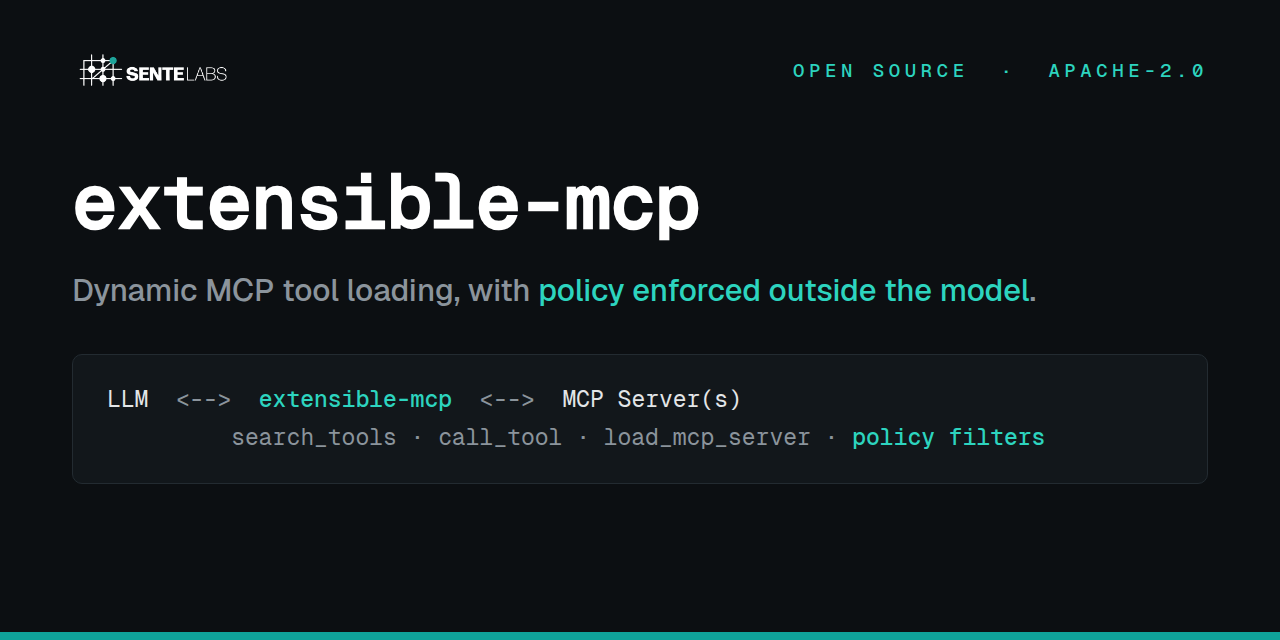
extensible-mcp: A Proxy That Keeps MCP Tool-Call Policy Outside the LLM's Reach

extensible-mcp is an open-source proxy that sits between an LLM and the MCP servers exposing its tools, keeping tool-call policy enforcement in a layer the model itself cannot reach. The project was posted to Show HN by a user identifying as Banu, a cofounder at sentelabs.ai, and its stated premise is that an agent should not need to load every available tool to do its job. This guide covers what the proxy actually does, who should run it, and where its narrow scope stops.

Explainer

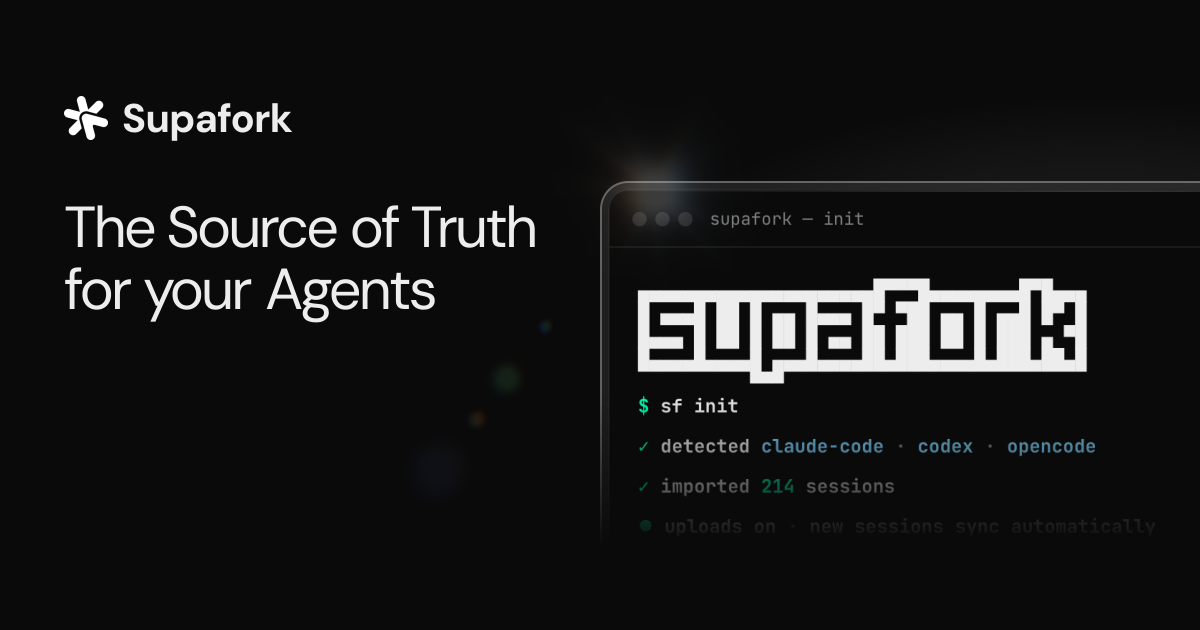
Supafork: What the New Cross-Harness AI Coding Session Store Actually Does

Supafork is a new store for saving, organizing, and sharing AI coding agent sessions across tools like Claude Code, Codex, Gemini CLI, OpenCode, and Pi. It was introduced publicly through a Show HN post after its creator found no simple way to access, reuse, or share a session once it left the machine that ran it. This explains what the launch post actually claims, who the harness list applies to, and what questions it leaves open.

Explainer

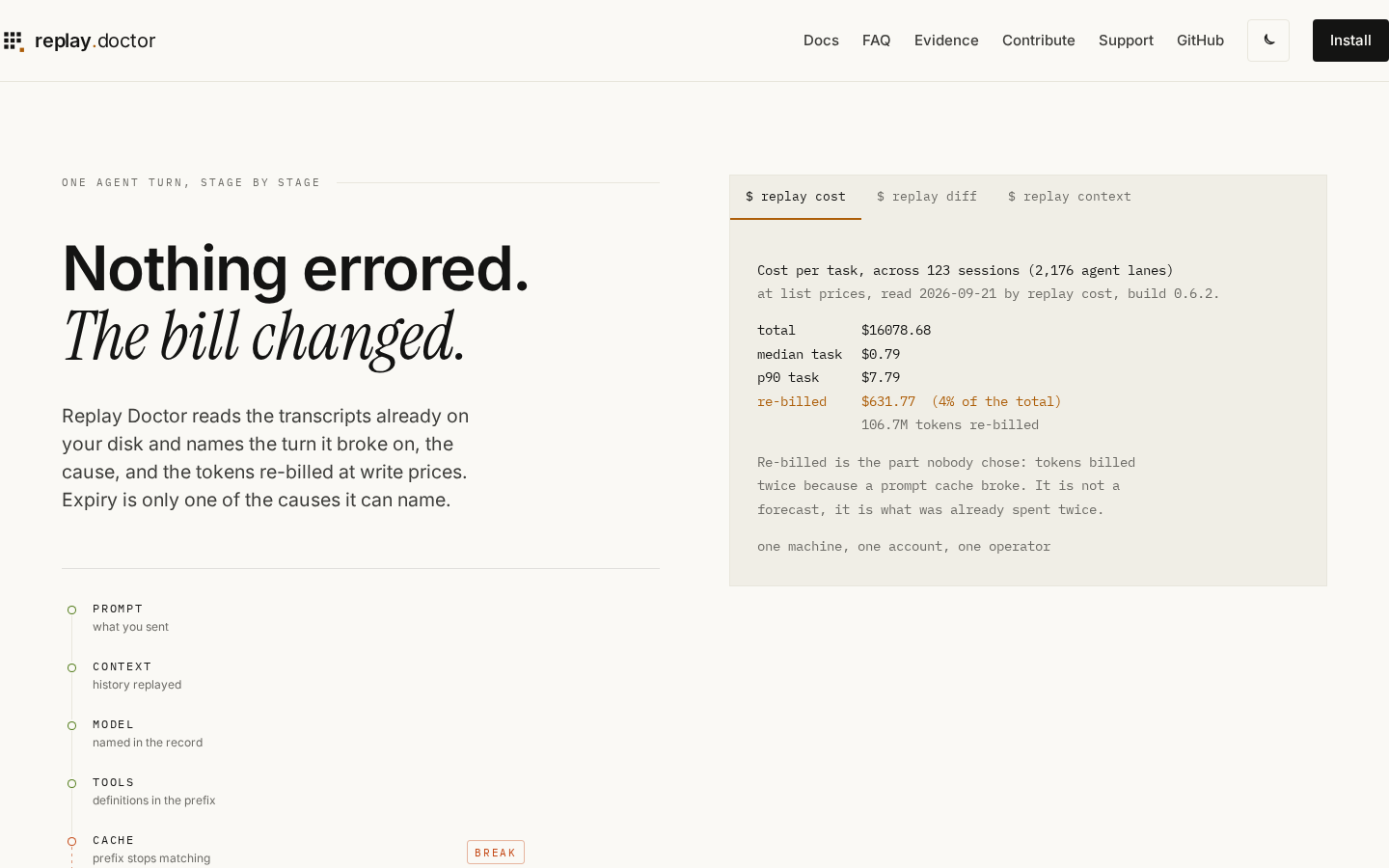
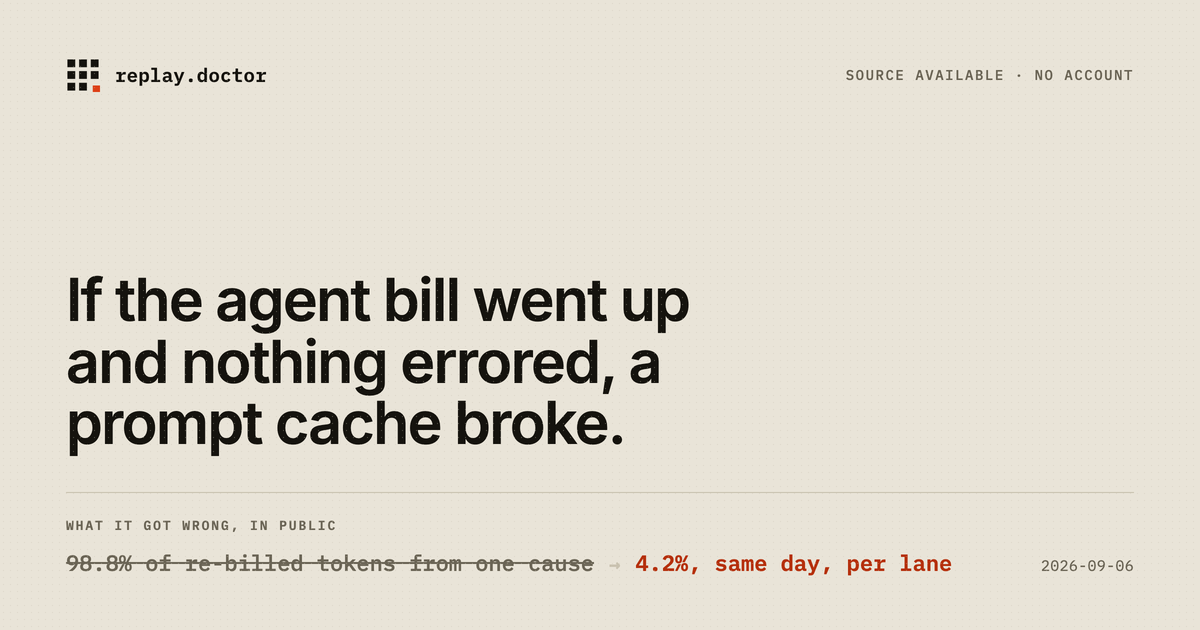
Replay Doctor: A Local CLI for Catching Silent Prompt-Cache Billing Leaks

Replay Doctor is a local command-line tool built to catch silent prompt-cache leaks in AI coding-agent workflows. A developer using the handle danielsaito posted it to Show HN, explaining that agent bills can spike with no warning or error in the logs. The post names two triggers: out-of-order request replay and an idle gap such as a 10-minute lunch break, both of which can cause a provider to re-bill the conversation at cold-write prices.

Explainer

Cogram Studio: A CAD and BIM Workspace Built for AI Agents, Not Humans

Cogram Studio is a new CAD and BIM workspace built for AI agents to create three-dimensional models and dimensioned drawings, launched via a Show HN post from Cogram co-founders Rick and Alex. The tool runs on FreeCAD, the open-source CAD application, rather than a proprietary geometry engine. Cogram has sold project-management software to architects and engineers since 2023, and Studio is the company's second, explicitly experimental product.

Explainer

Agentray Turns a Mac Folder Into an AI Agent

A Show HN post from developer beshrkayali introduces Agentray, a macOS AI agent that replaces the chat window with a watched folder containing 'in', 'out', and 'done' subfolders. It matters because it's a working counterpoint to the assumption that talking to an AI requires typing into a chat box. This piece explains exactly what the tool does today, what the Hacker News thread does and doesn't confirm, and where to look if you need cloud compute to run agent workflows like it at scale.

Explainer

OpenRouter's 33x Pricing Gap: What a Daily Price Tracker Actually Confirmed

A developer who tracks LLM API prices daily found a 33x cost gap between two providers reselling the same model on OpenRouter. The finding comes from a scraper that snapshots 425 models across 58 providers every day, built on about a week of collected data. This guide walks through what the source confirms, where it stops short of naming the model or providers involved, and where infrastructure pricing comparisons fit if you're hosting the backend behind an LLM-powered feature.

Explainer

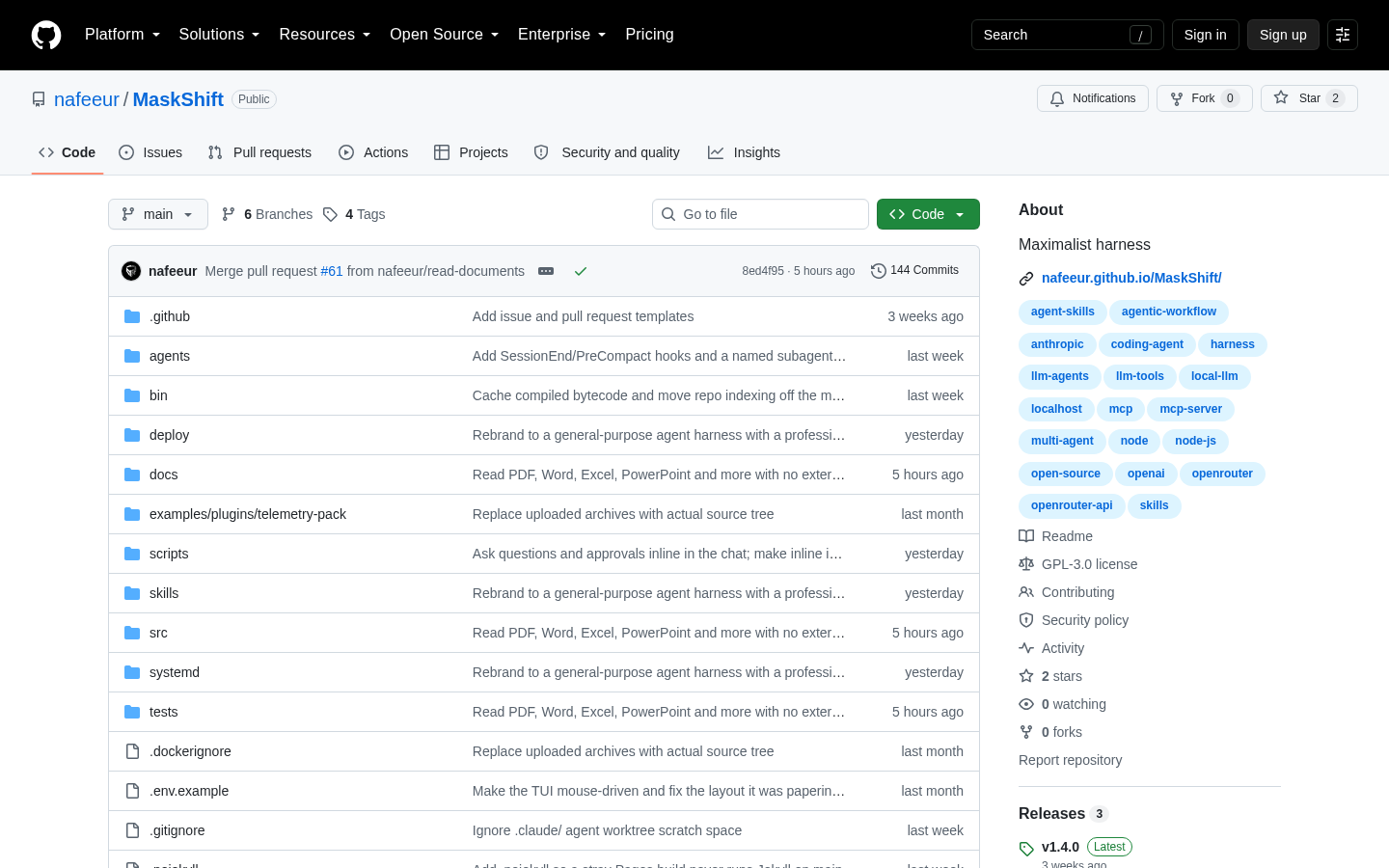
MaskShift: A Zero-Dependency Coding Agent Harness for Node 22

MaskShift is a local-first coding agent harness whose daemon, per its GitHub repository, runs on Node 22 built-ins only with zero npm runtime dependencies. Install is a file copy plus a symlink, and it works without native tool-calling APIs by embedding tool schemas in the system prompt. It supports multiple providers, including Ollama and OpenAI, which matters if you already run models through either.

Explainer

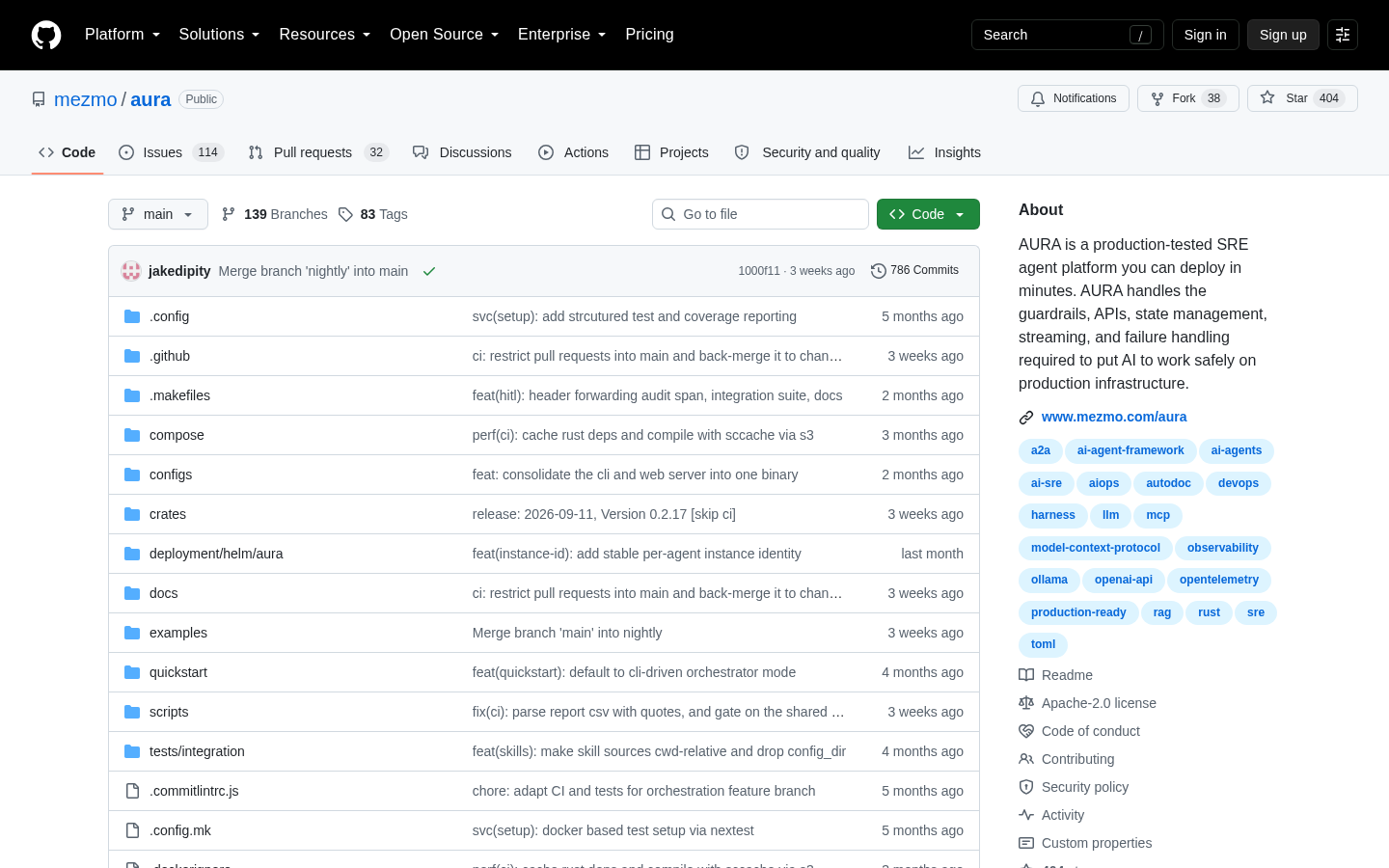
Aura: A Permission-Constrained Rust Agent for Production Incident Response

A GitHub user named jvogt posted Aura, a Rust-based incident-response agent, to Show HN, built after the team tested Claude, OpenClaw, and LangChain against real outages. The team reports hitting context overflow, prompt-injection risks, hallucinated fixes, high token costs, and reviewer fatigue in those tools. This guide covers who should look at Aura, who should skip it, and what it means for the infrastructure decisions underneath it.

Explainer

Replay Doctor: A Local CLI Tool for Catching Silent AI Prompt Cache Leaks

Replay Doctor is a local CLI tool that finds silent prompt cache leaks in AI agent workflows built on Claude Code, Cursor, or Codex. Its creator built it after watching AI agent bills spike with no warning in the logs, because an expired cache triggers a full re-bill at cold-write prices instead of cached rates. This guide explains the mechanism behind the leak, who should run the tool, and what to check in your plan before the next invoice arrives.

Explainer

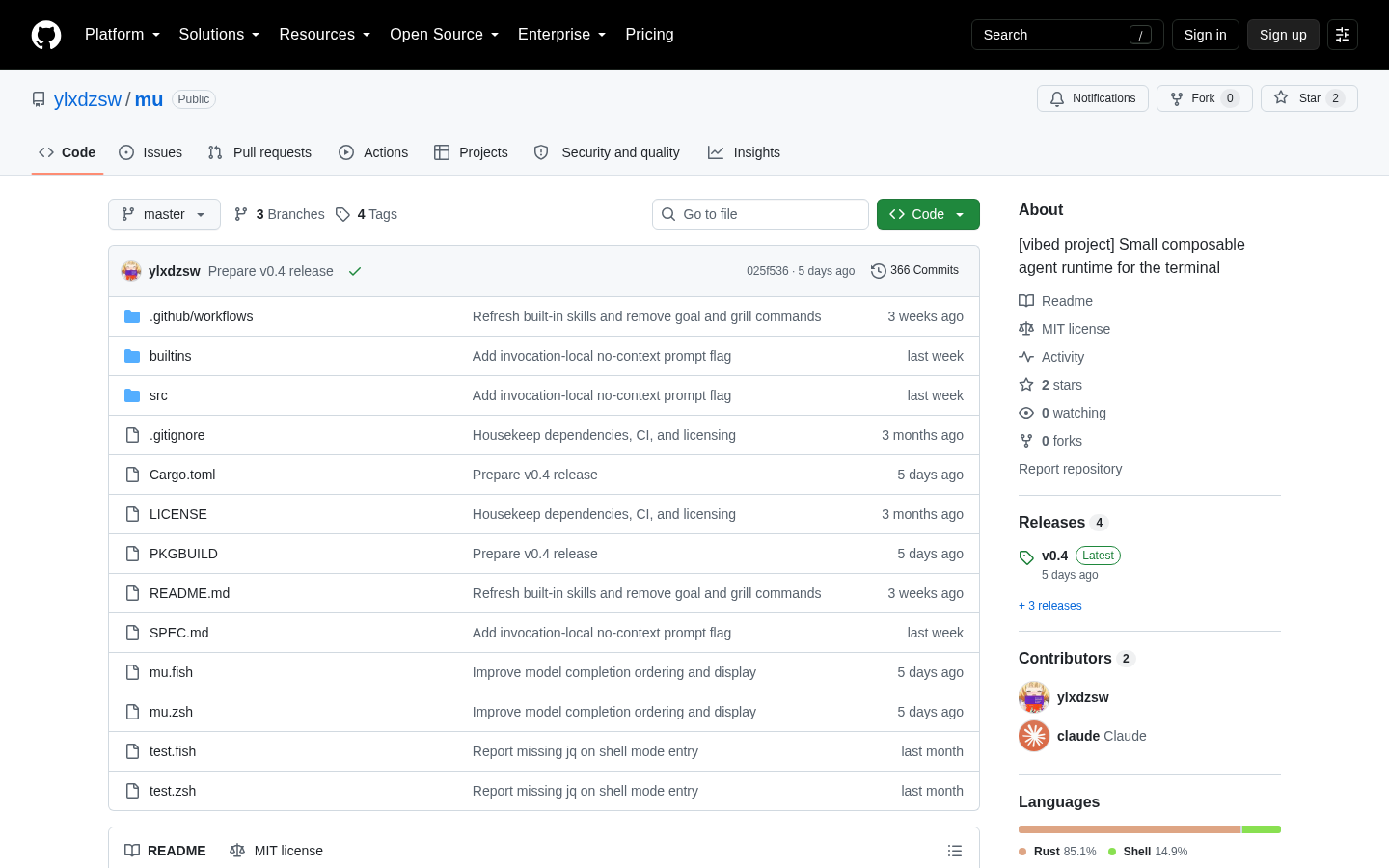
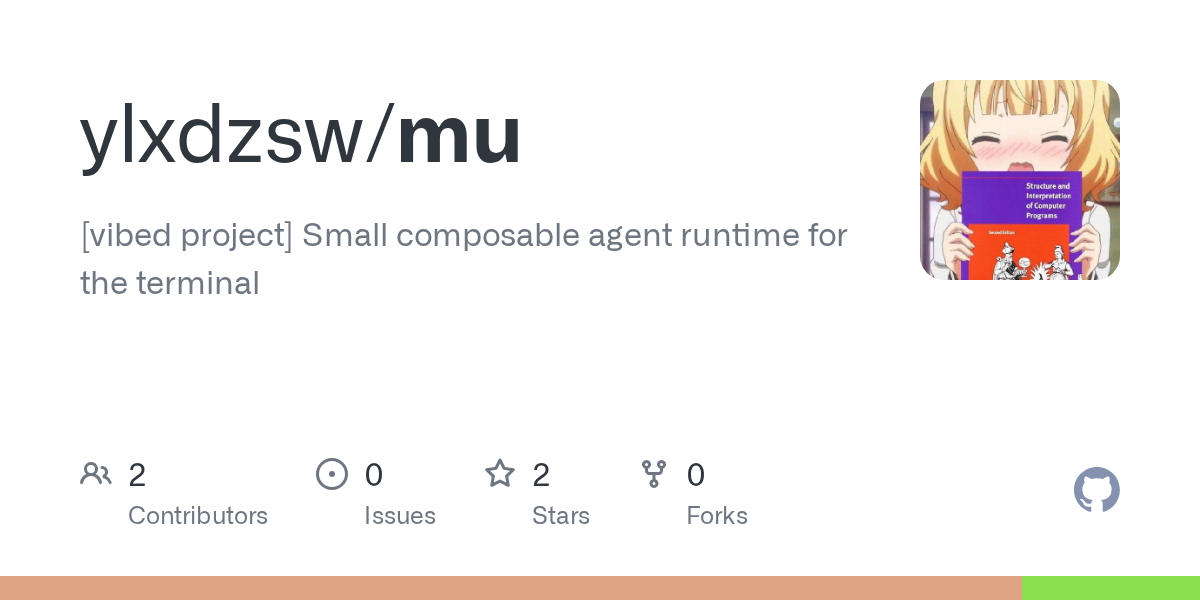
Show HN Mu: The Shell Plugin for Agent Mode

A developer posted Mu to Show HN: a zsh/fish plugin that turns a Tab press into AI agent mode instead of opening a separate app. This piece explains the exact mechanism — a preexec hook that routes typed commands to an LLM rather than running them as shell script — and what shell, visibility, and activation limits mean before you try it. It also covers where to test a tool like this safely and how to compare it against other command-line agents.

Explainer

Show HN Aura: Rust Incident-Response Agent Explained

Aura is a Rust agent posted to Show HN by user jvogt, built to investigate and fix production incidents, with code hosted at github.com/mezmo/aura. It matters because its creators run a petabyte-scale SaaS and rejected Claude, openclaw, and LangChain after hitting context overflow, 'lethal trifecta' security exposure, hallucinations, and heavy token spend before building their own tool. This piece explains what the GitHub listing actually states, what problem it solves, and where to check current hosting and AI-too

Explainer

Mu: The Show HN Agent That Lives in Your Shell

Mu is a free, open-source shell plugin posted to Show HN that turns zsh or fish into an AI agent interface without a separate chat window or TUI. Pressing Tab enters agent mode, and a preexec hook routes what you type to an LLM instead of running it as a shell command, while the prompt shows the active model and context usage. This piece unpacks how Mu's design compares to typical AI-agent terminal UIs, and where to look next if you're choosing hosting for your own tooling.

Explainer

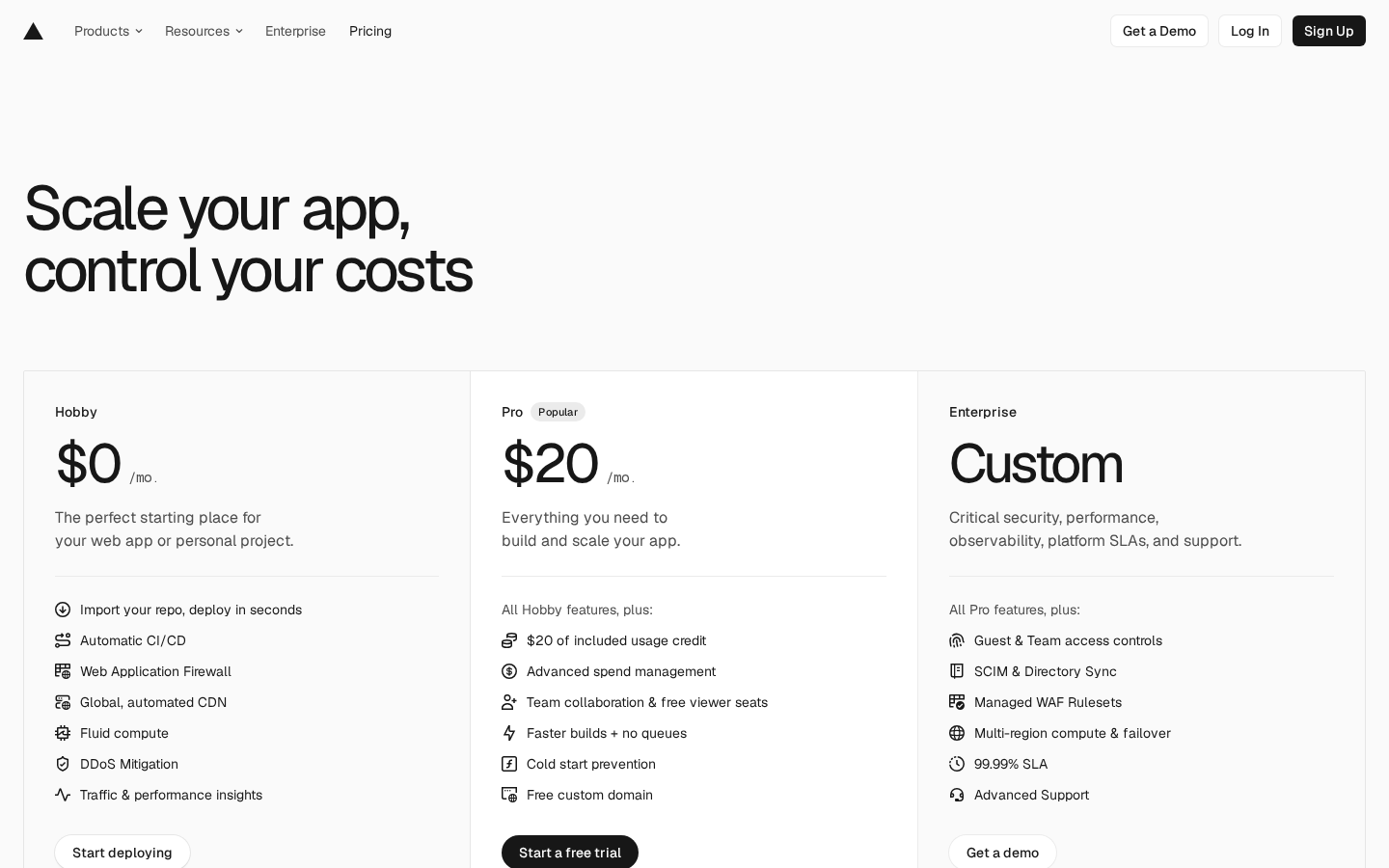
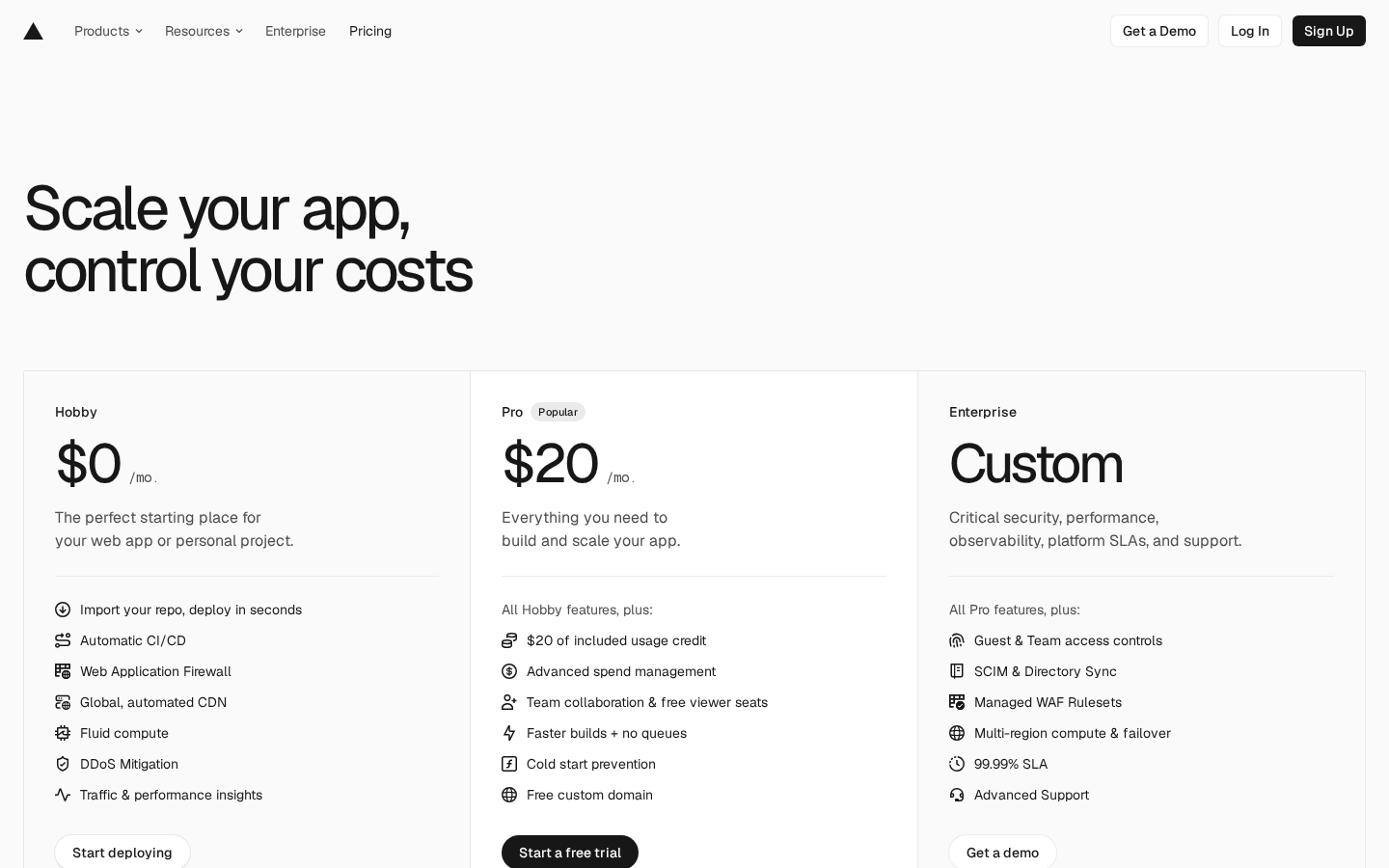
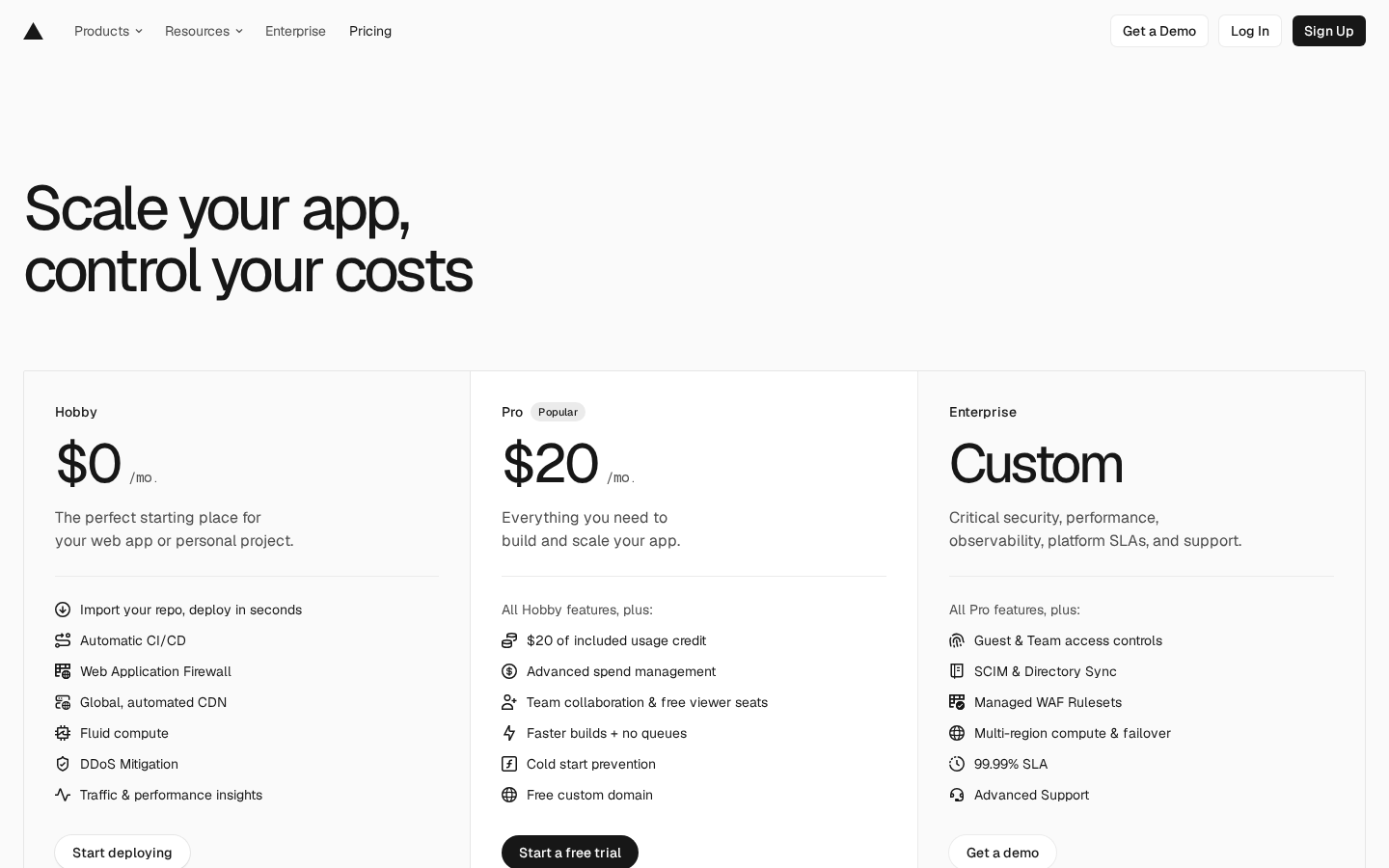
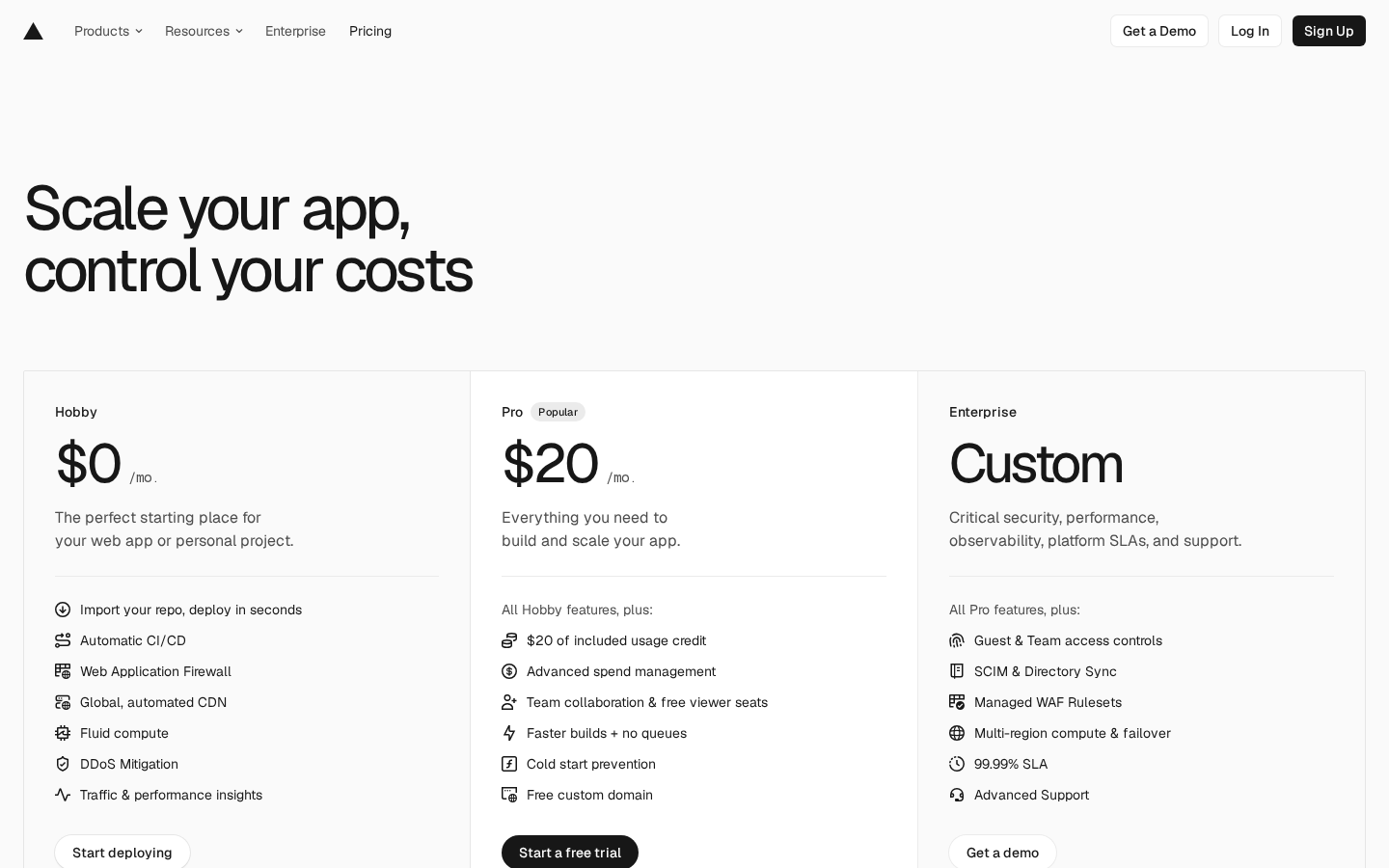
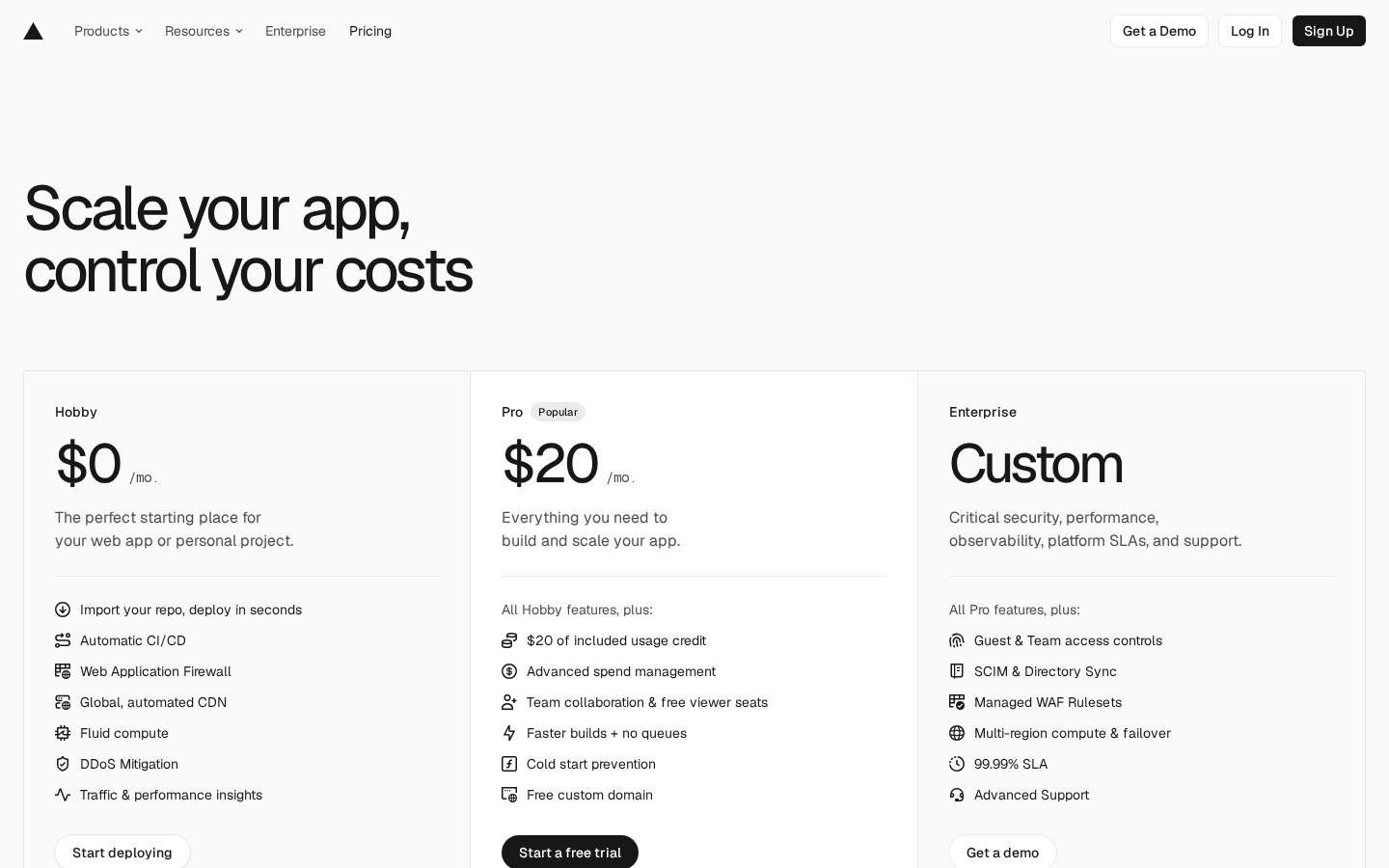
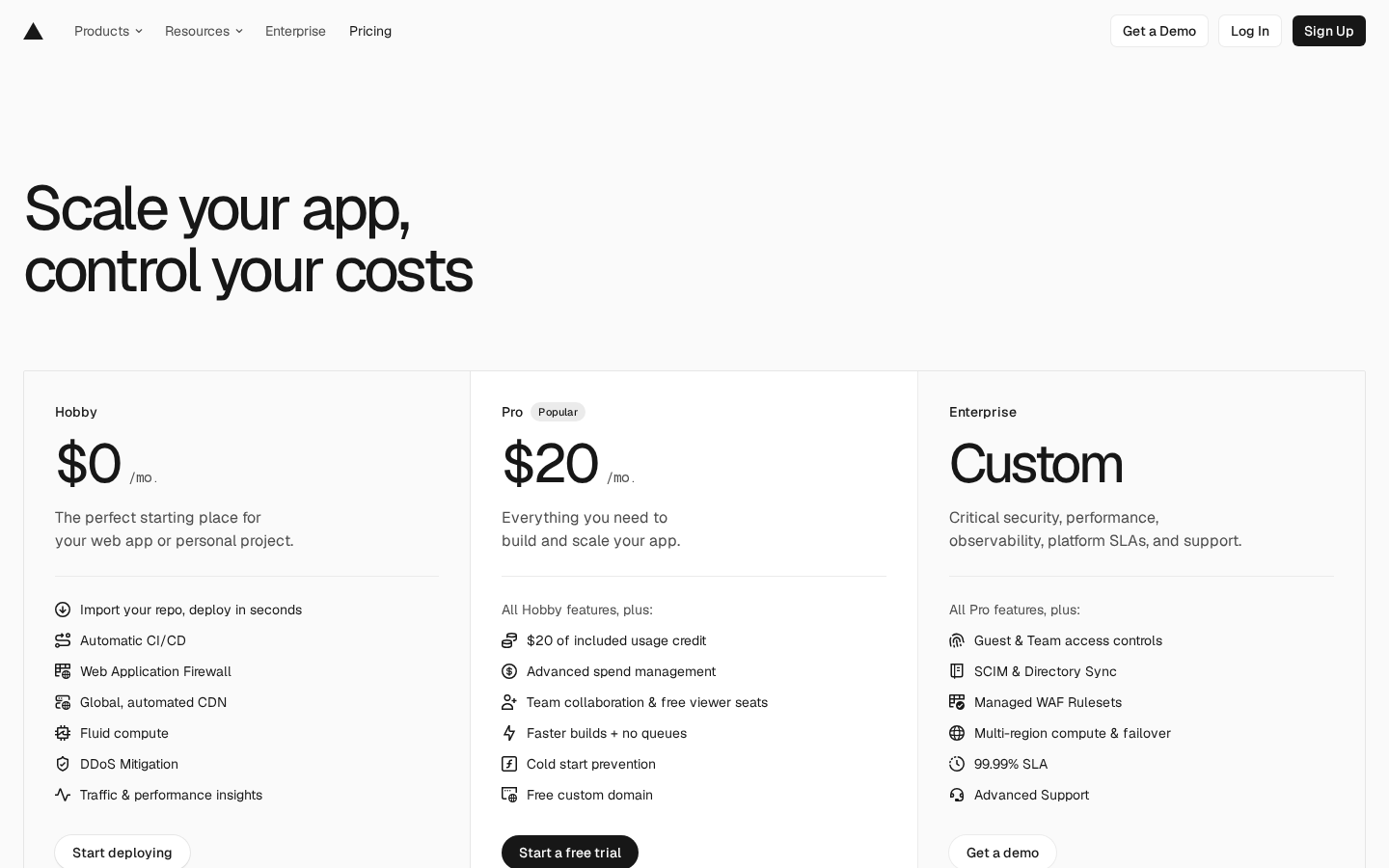
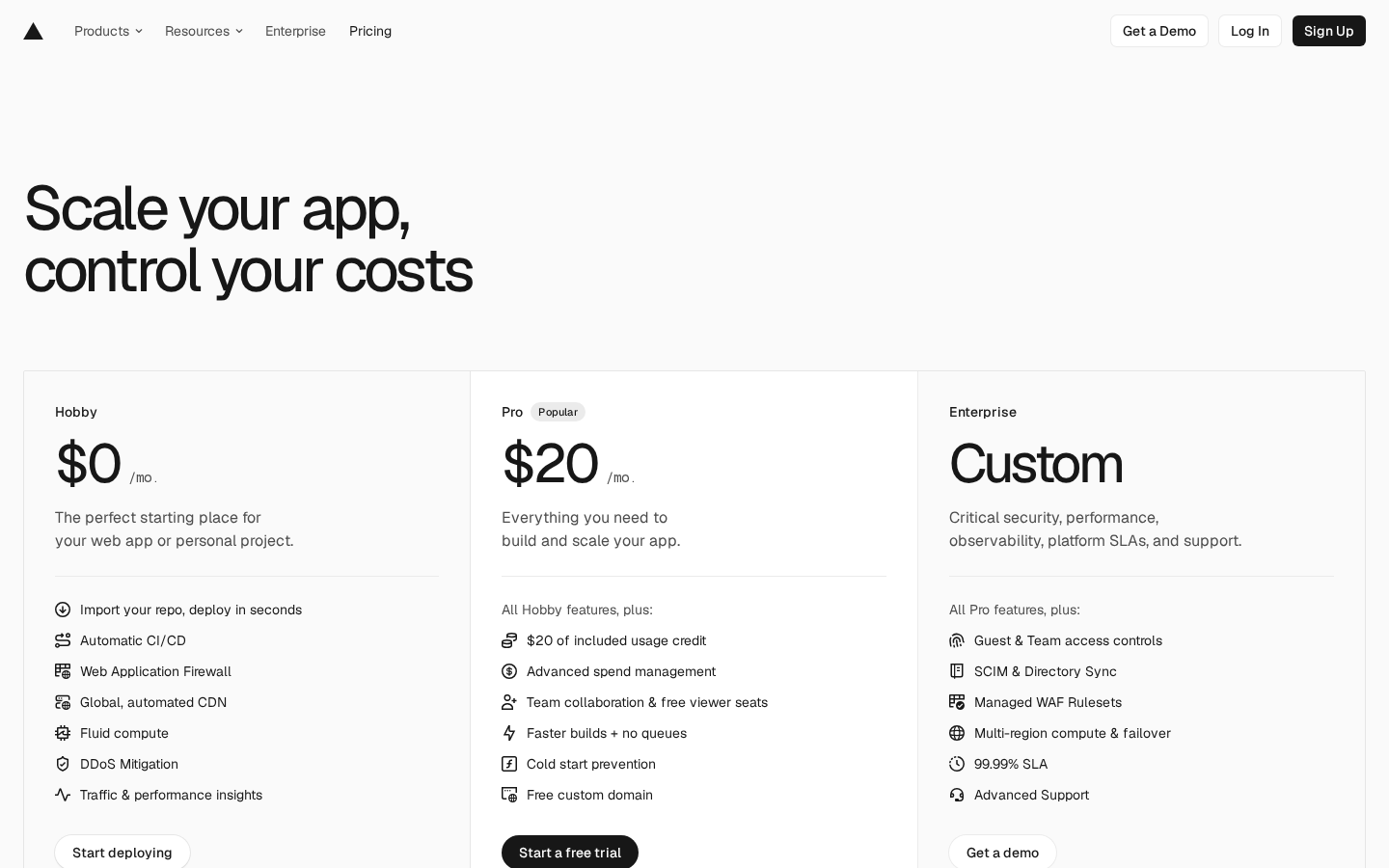
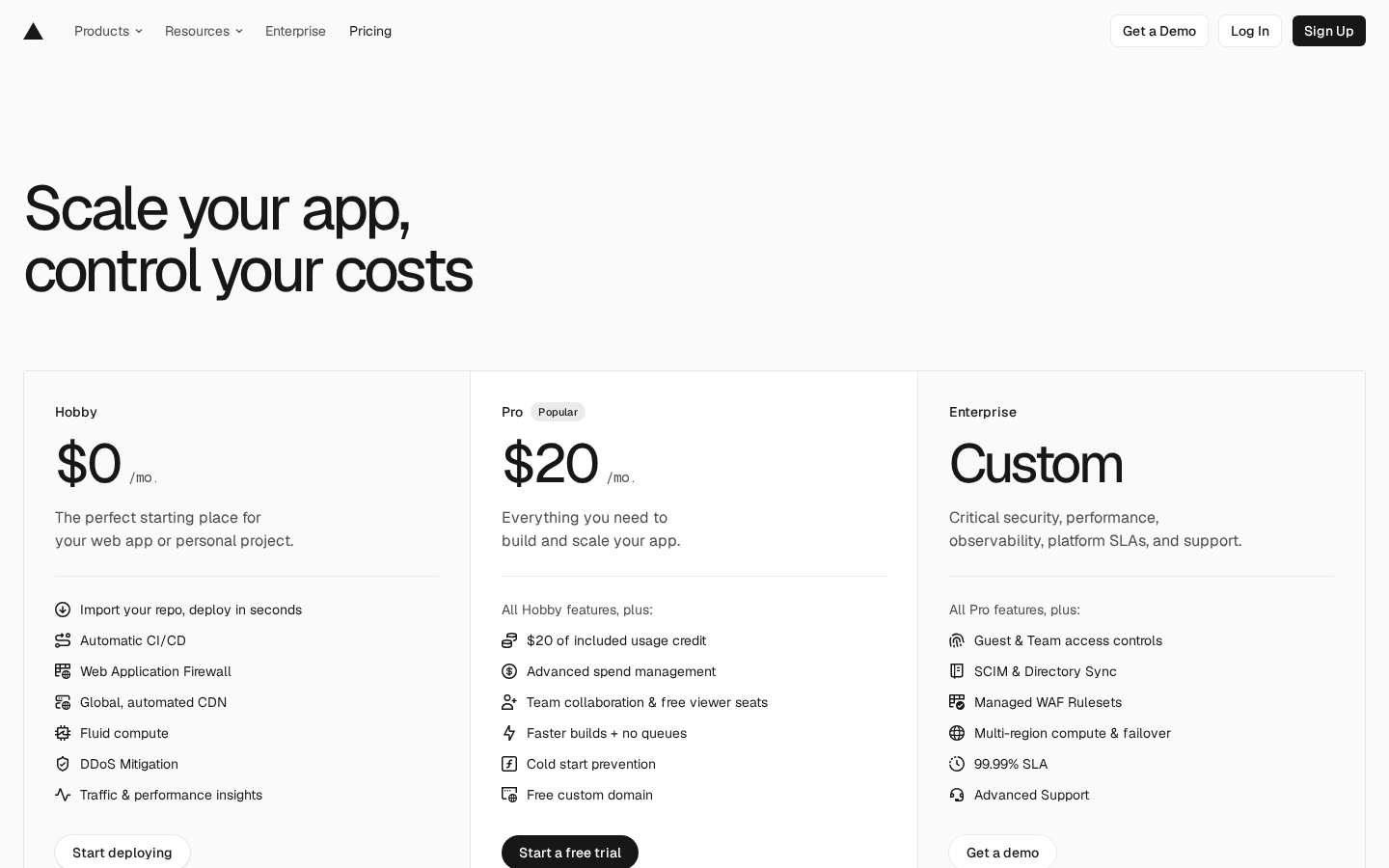
Vercel Pro vs. Enterprise: What Engineering Leads Should Verify Before Choosing

China's expanding role in open-source AI is changing the tools engineering teams build on, and that shift raises real questions about where to host those projects. This guide walks engineering leads through what separates Vercel's Pro and Enterprise tiers, without inventing prices or limits we did not verify. It points you to Vercel's own pricing page for current numbers, then lists what to confirm before choosing either plan.

The list

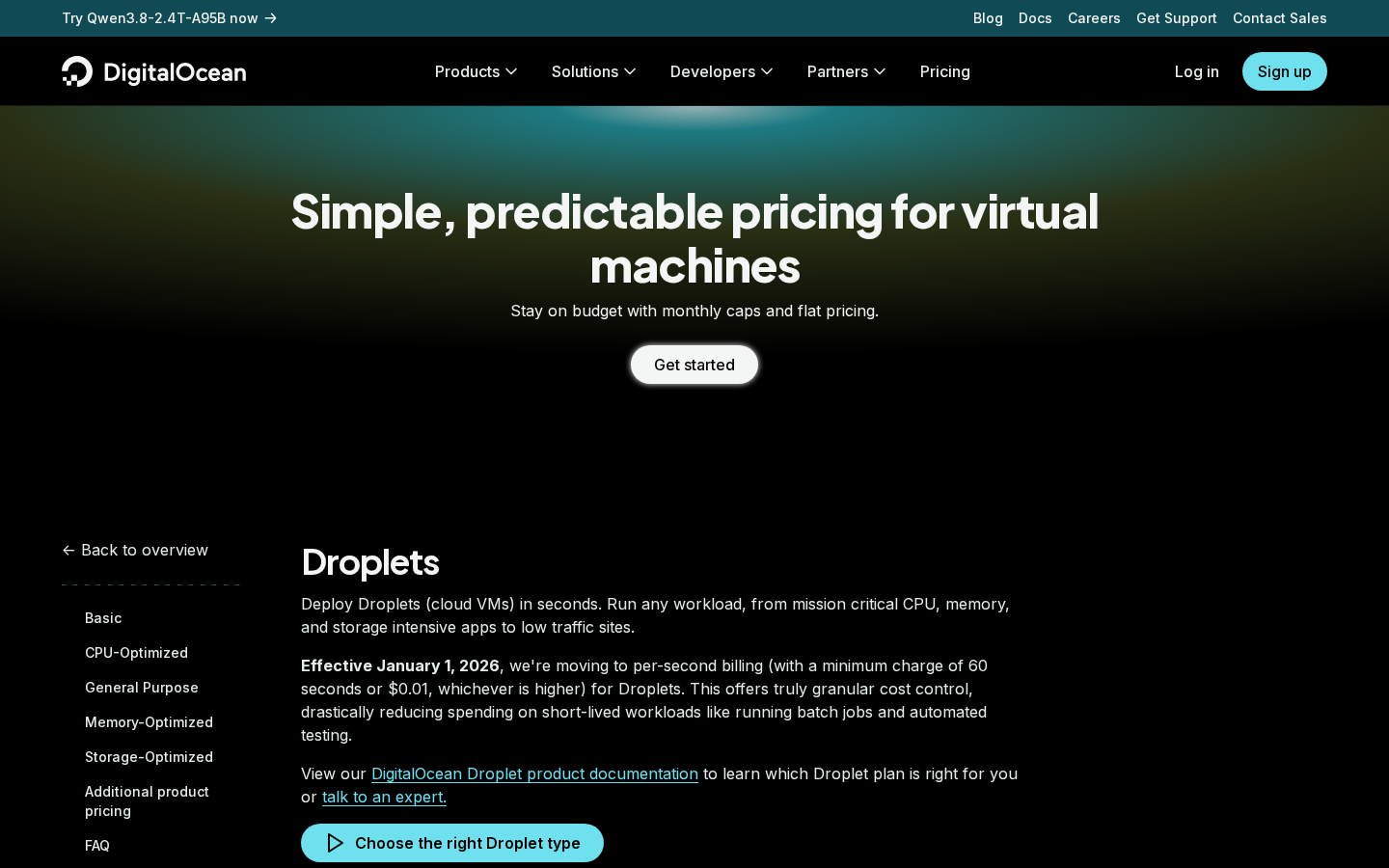
Self-Hosting an Interactive Demo Tool: What the DigitalOcean Bill Actually Looks Like

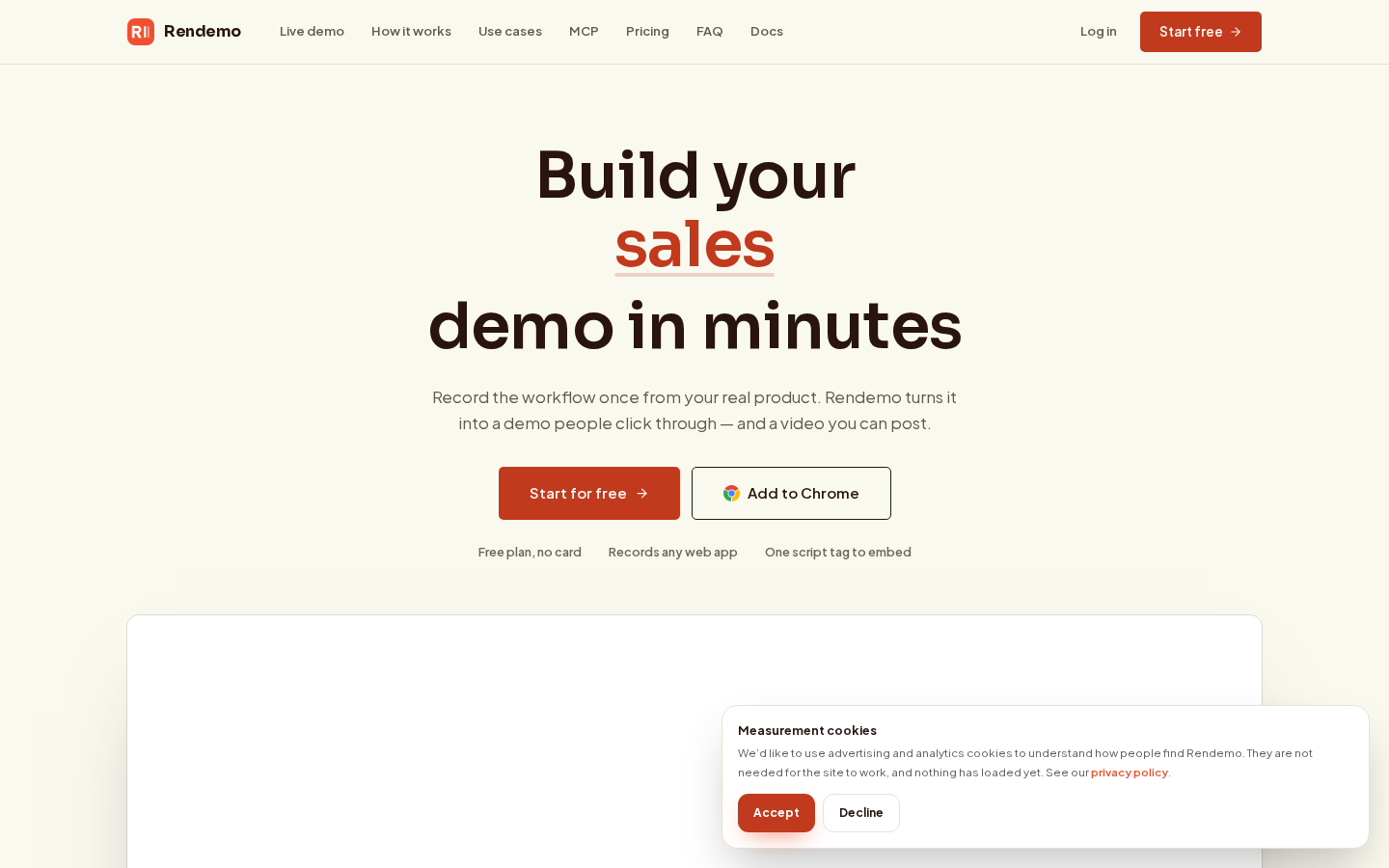
Rendemo's Show HN launch has renewed a familiar debate: build your own interactive demo hosting or pay for a hosted tool. This piece walks through the three separate DigitalOcean pricing pages you need to check before you can total the real cost of self-hosting: object storage, compute, and a managed database. It also names who should stick with a hosted tool instead, based on how much maintenance your team can realistically take on.

Explainer

AI-Assisted Opera on Scientific American: What It Means for Teams Building on Vercel

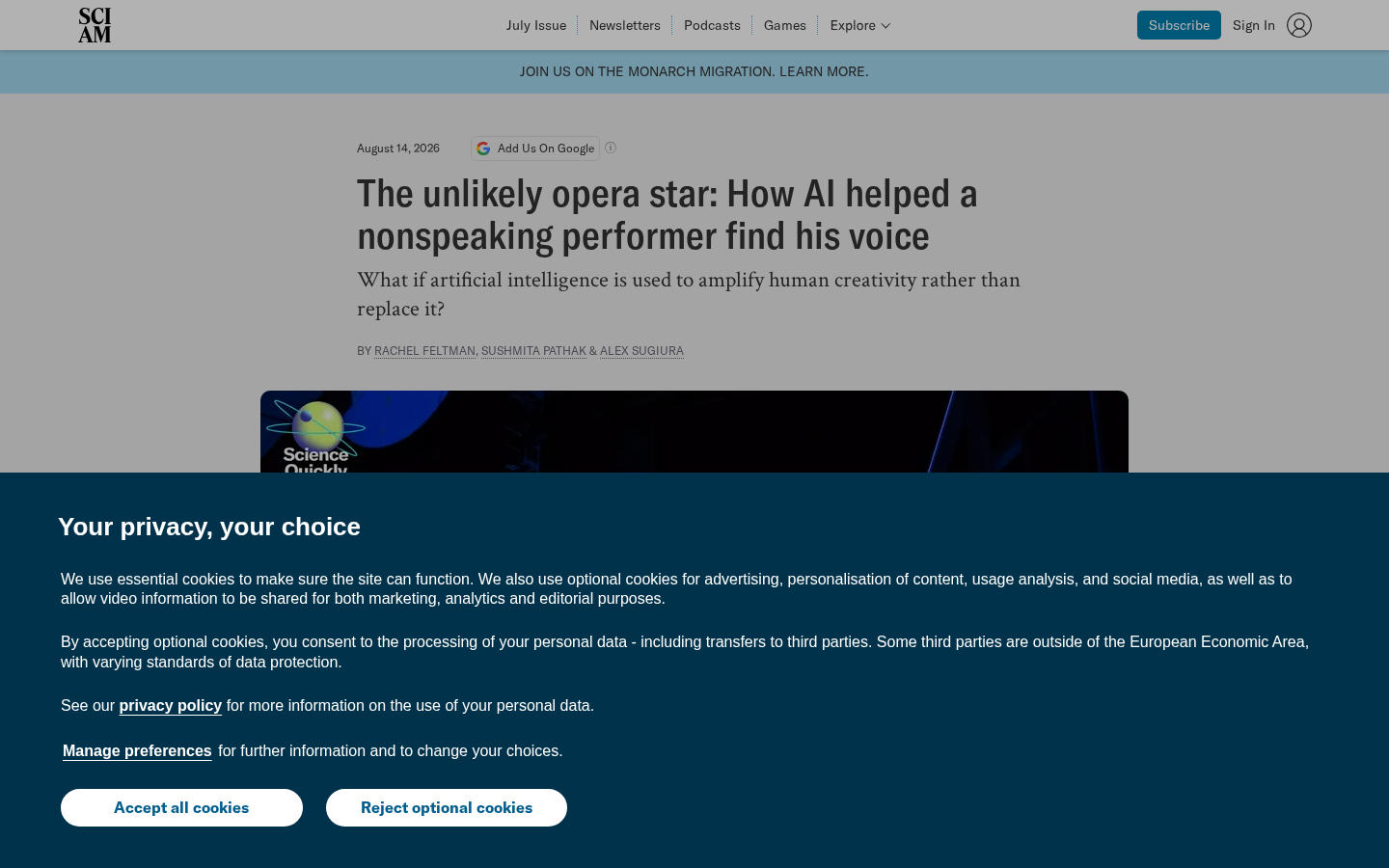
Scientific American's podcast profiles a nonspeaking opera performer whose role was made possible by AI-assisted communication tools, and that episode is this piece's sole source. It also covers Vercel, a platform teams often use to host such apps, noting that Pro and Enterprise plan details must be confirmed on Vercel's own pricing page. This guide suits Vercel users checking current terms, not readers wanting a hosting price comparison.

Explainer

Guangdong HEC Technology Holding's Earnings: What the AI-Attributed Growth Actually Shows

Guangdong HEC Technology Holding reported a 31.6% revenue rise and a 40.2% rise in adjusted net profit, according to TradingView, which credited the growth partly to AI and chemical segments. This guide explains exactly what those cited figures do and do not establish, since the report gives percentages only, with no absolute revenue numbers or segment breakdown. It also covers what to check before treating one company's earnings as proof of a wider AI spending trend.

Explainer

How Messy Is Your AI Coding Workflow? Inside the Hacker News Debate on Juggling Multiple AI Tools

A Hacker News thread titled "How messy is your AI coding workflow?" asks developers how they juggle multiple AI coding tools at once. The post names Cursor, Claude Code, Codex, and ChatGPT, and asks how much context gets lost, retyped, or untracked when developers switch between them. This guide walks through what those questions reveal about the real coordination cost of running several AI coding tools against one codebase.

The list

TokenLab MCP on Show HN: What's Verified and What Isn't

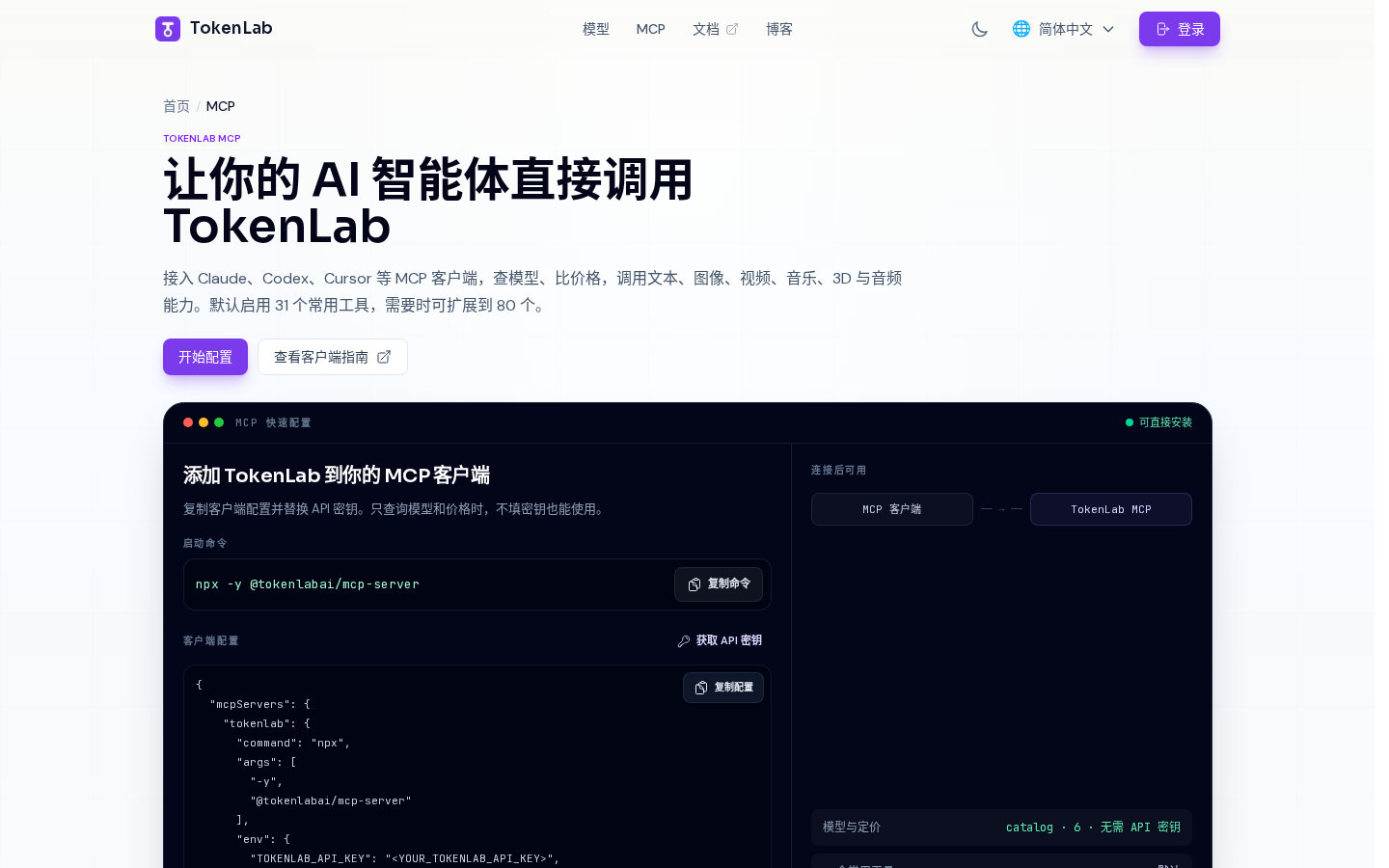
A Show HN listing for TokenLab MCP bundles model discovery, pricing, and native AI endpoint tools under one title, but the post was submitted by the project's own account, tokenlabai. This review captured the tokenlab.sh/zh/mcp page directly and found no independent verification beyond that title. Before you trust a self-submitted launch, check the source page yourself and price a self-hosted alternative using current DigitalOcean storage, compute, and database rates.

Explainer

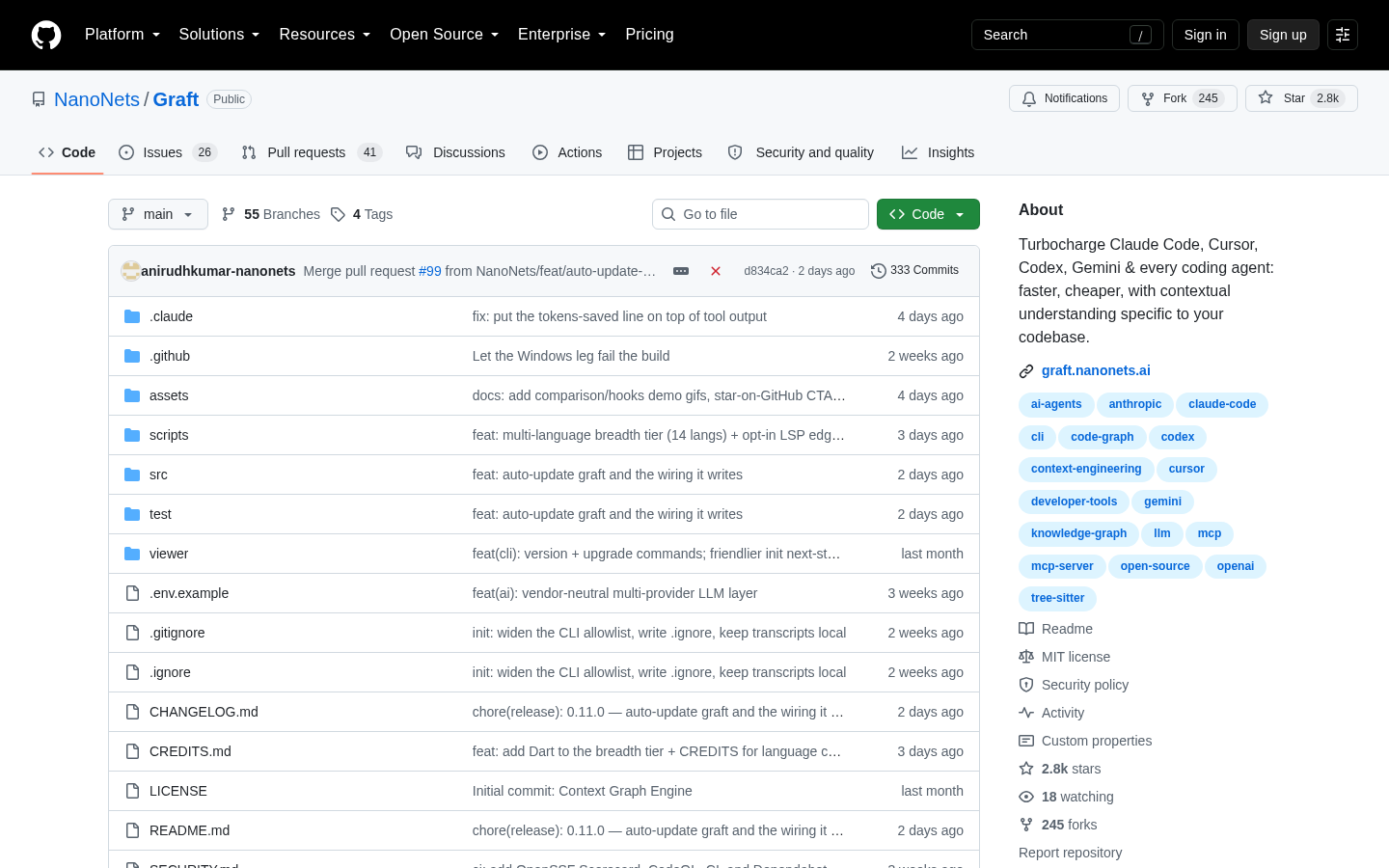
Graft Claims a 42% Cut in Claude Code Grep Tokens: What the Show HN Numbers Actually Show

Graft is a set of Claude Code hooks published on GitHub that claims to cut grep tokens by 42%, according to its Show HN submission title. The project appeared on Hacker News on 2026-08-14, posted by user shrishdwi, with the GitHub repository as the only source captured for this figure. This guide explains what the claim covers, what it does not verify, and who should read the source before installing the hooks.

The list

AI Drug Discovery News: A Checklist For Reading The Claims

Science.org published a piece asking directly whether AI drug discovery is working, and this guide turns that question into a checklist you can apply to any similar claim. The five checks cover which pipeline stage a claim covers, whether a compound reached human trials, and who is making the claim. It also covers the infrastructure costs to test a research pipeline yourself, based on current DigitalOcean pricing.

The list

Apple Trains a China-Specific AI Model With Alibaba: What's Confirmed So Far

Apple is training a proprietary AI model built specifically for the China market, with Alibaba named as its partner, according to a report observed August 14, 2026. This breakdown separates what the reporting actually confirms — the effort and the partner — from what it does not, including release timing, model name, and pricing. It also outlines the compute, database, and storage building blocks needed to run a model-serving stack of your own.

Explainer

Stripe's $7 Billion OpenRouter Deal: What It Means for Your AI and Hosting Costs

Stripe acquired OpenRouter, an AI model routing service, for $7 billion, a deal that signals consolidation in the layer between apps and AI models. This piece breaks down what the reporting confirms, what remains unconfirmed, and why the deal is a reason to review your AI and hosting spend now rather than later. It also checks current Vercel pricing so you can confirm whether your hosting tier still matches your traffic before the market shifts further.

Explainer

AI Drug Discovery Hype vs. Reality — and What It Means for Your Own Stack

Science.org published a blog post this month asking bluntly how AI drug discovery is really doing, treating the field's claims as something to test rather than repeat. This explainer walks through what that scrutiny piece confirms and what it deliberately leaves out, without adding numbers the source doesn't provide. It then turns to a practical decision for anyone building AI tools: where to deploy them, pointing to Vercel's own pricing page for current Pro and Enterprise plan details rather than a secondhand summ

Explainer

What the Model (wtm): A New Local LLM Inventory Tool for macOS

What the Model, or wtm, is a GitHub project listed as a Local LLM Inventory tool built specifically for macOS. The repository, maintained under the handle pow-tac, describes wtm as a way to track local model files rather than run or serve them. This overview covers what the public listing confirms, what it leaves undocumented, and who should check the repository before installing anything.

The list

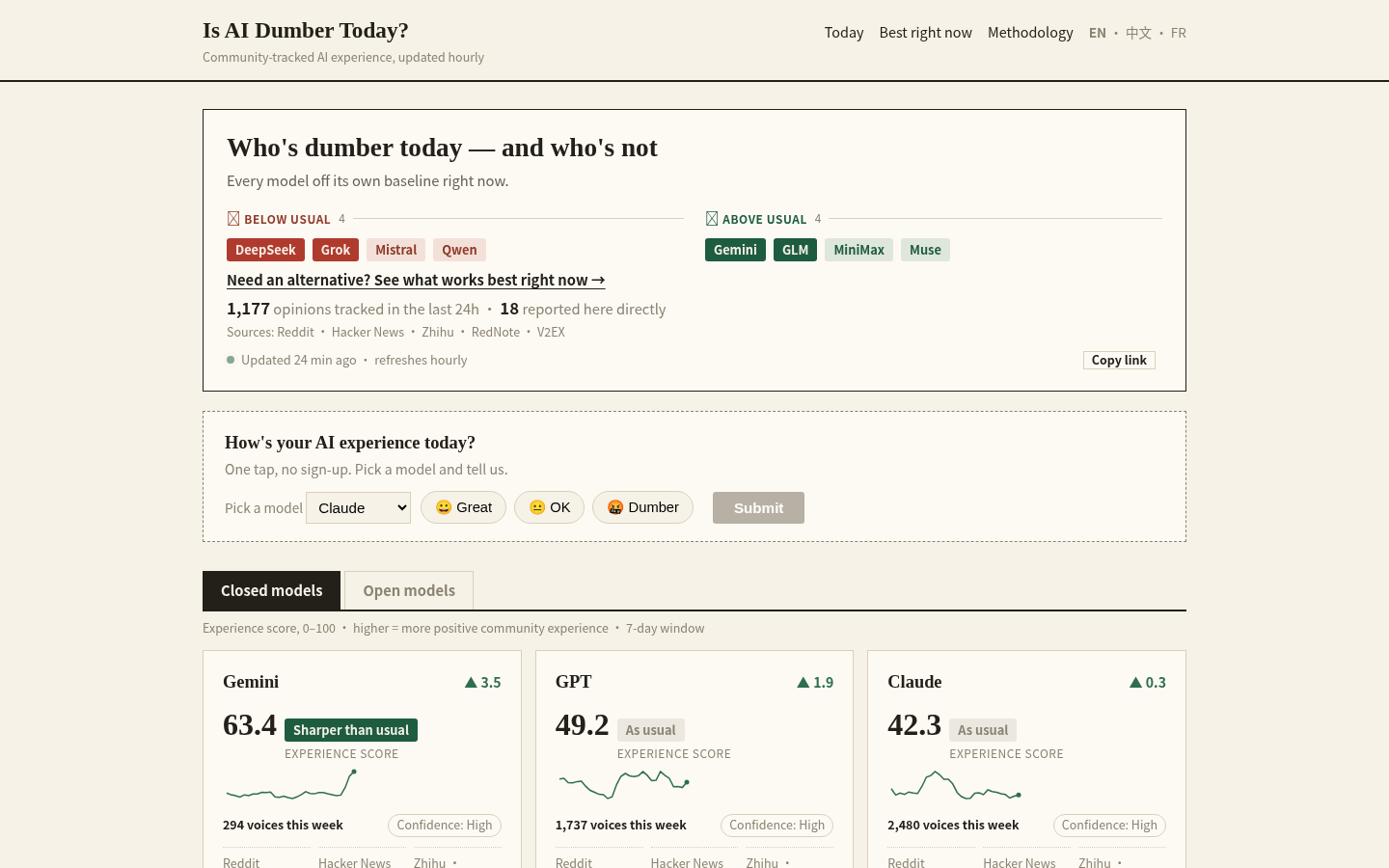
Is AI Dumber Today: What the Show HN Launch Actually Confirms

A Show HN post titled 'Is AI Dumber Today? An index of AI model experience from user's opinion' surfaced isaidumber.today on 2026-08-14. Independent verification the next day confirmed the site is live and reachable, but nothing beyond the submission and uptime check has been verified. This piece separates what's confirmed from the submitter's own framing, then covers the infrastructure choices you'd face building something similar.

Explainer

Ohio AI Campus Jobs: What the Stock Titan Report Confirms — and What It Doesn't

A Stock Titan headline reports that tens of thousands of jobs are planned at an AI campus in Ohio, but leaves the timing as an open question. This guide lays out exactly what that source confirms and what it leaves unstated. It also points you toward hosting and deployment pricing you can check today, independent of when the Ohio project's timeline becomes public.

Explainer

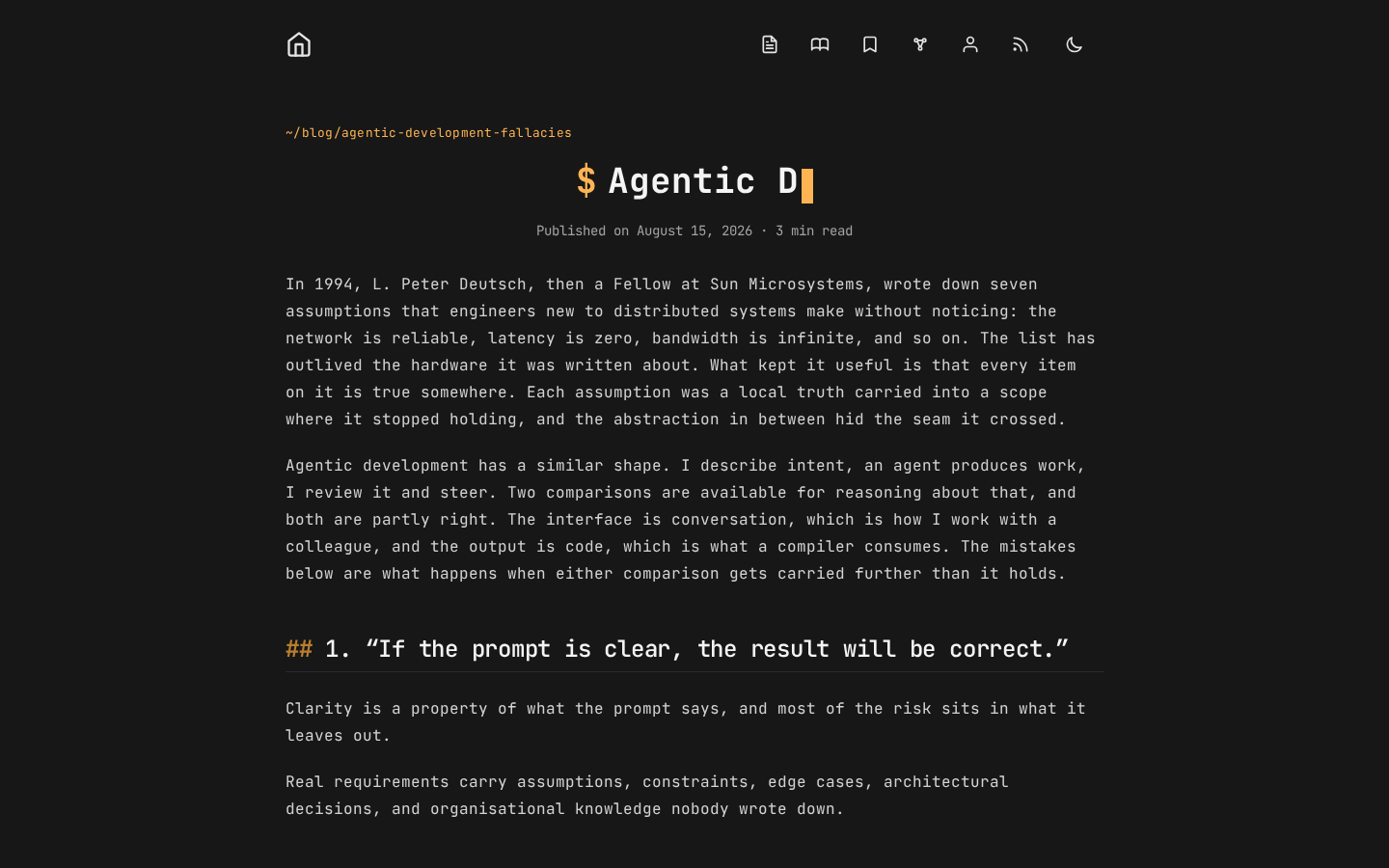
Agentic Development Fallacies: The Infrastructure Assumptions Costing Teams

A new analysis from thuva4.com names three assumptions teams make once AI agents start writing and shipping code. It argues a single successful run is not proof of reliability, that removing human review just relocates the failures review used to catch, and that hosting built for occasional human pushes buckles under an agent opening dozens of preview branches a day. It also weighs Vercel's Pro and Enterprise tiers against what an agent-scale pipeline needs now.

The list

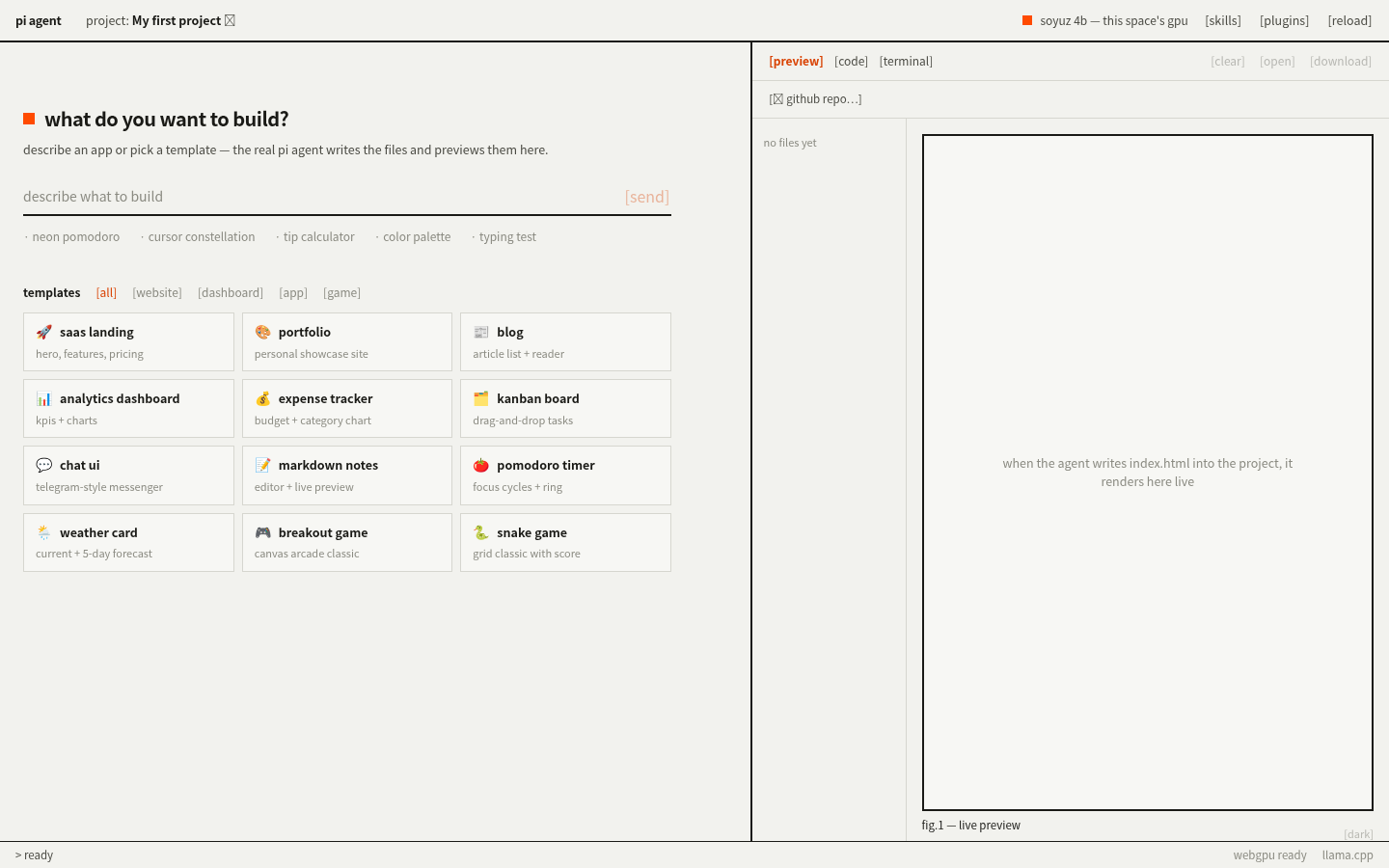
4B Capable Agent in the Browser: What's Verified in the Hugging Face Demo

A hosted page titled "4B Capable Agent in the Browser" appeared at alexwortega-my-pi-agent.hf.space, credited to Alexwortega. A direct capture on 2026-08-15 confirmed only the title, byline, and URL, with no benchmark numbers, pricing, or usage terms recorded. This guide lays out exactly what's verified about the demo and compares three DigitalOcean building blocks for anyone hosting their own browser-based agent instead.

Explainer

Alibaba Reportedly Aids Apple's LLM Development: What's Confirmed So Far

Ilounge published a report, observed August 15, 2026, stating that Alibaba is aiding development of an Apple large language model, though the report confirms only the headline claim itself. Neither Apple nor Alibaba has addressed the report directly, so deal terms, scope, and timeline remain unconfirmed. This guide also checks Vercel's own pricing page for readers weighing where to deploy their own AI product today.

Explainer

$70 Lifetime AI Bundle vs. Platform Pricing: What You're Actually Paying For

Entrepreneur.com reports a $70 one-time price for an AI tool covering content, image, and video generation. This guide compares that claim against Vercel's separate Pro and Enterprise pricing tiers, built for teams deploying production applications rather than a single consumer license. It explains who the consumer bundle suits and where it stops covering what a growing project actually needs.

Explainer

Secondhand Booksellers Suspect AI Companies Behind Bulk Book Orders — What's Actually Confirmed

Secondhand booksellers across the UK and Ireland suspect AI companies are behind a wave of unusual bulk book orders, The Guardian reported on 15 August 2026. No company has been named, and no purchase has been confirmed on record. This guide separates what the reporting actually establishes from speculation, and explains what it means if you build or host AI-powered products yourself.

The list

Booksellers Suspect AI Firms Behind 'Strange' Bulk Book Orders — What Building That Pipeline Costs

Secondhand booksellers in the UK and Ireland suspect AI companies are placing unusually large, 'strange' bulk orders for used books, The Guardian reported on August 15, 2026. The story doesn't name buyers or order volumes, but it points to a real cost center for anyone building a text-ingestion pipeline: compute, storage, and database infrastructure. This guide checks current DigitalOcean pricing for the compute, storage, and database pieces that work actually needs.

The list

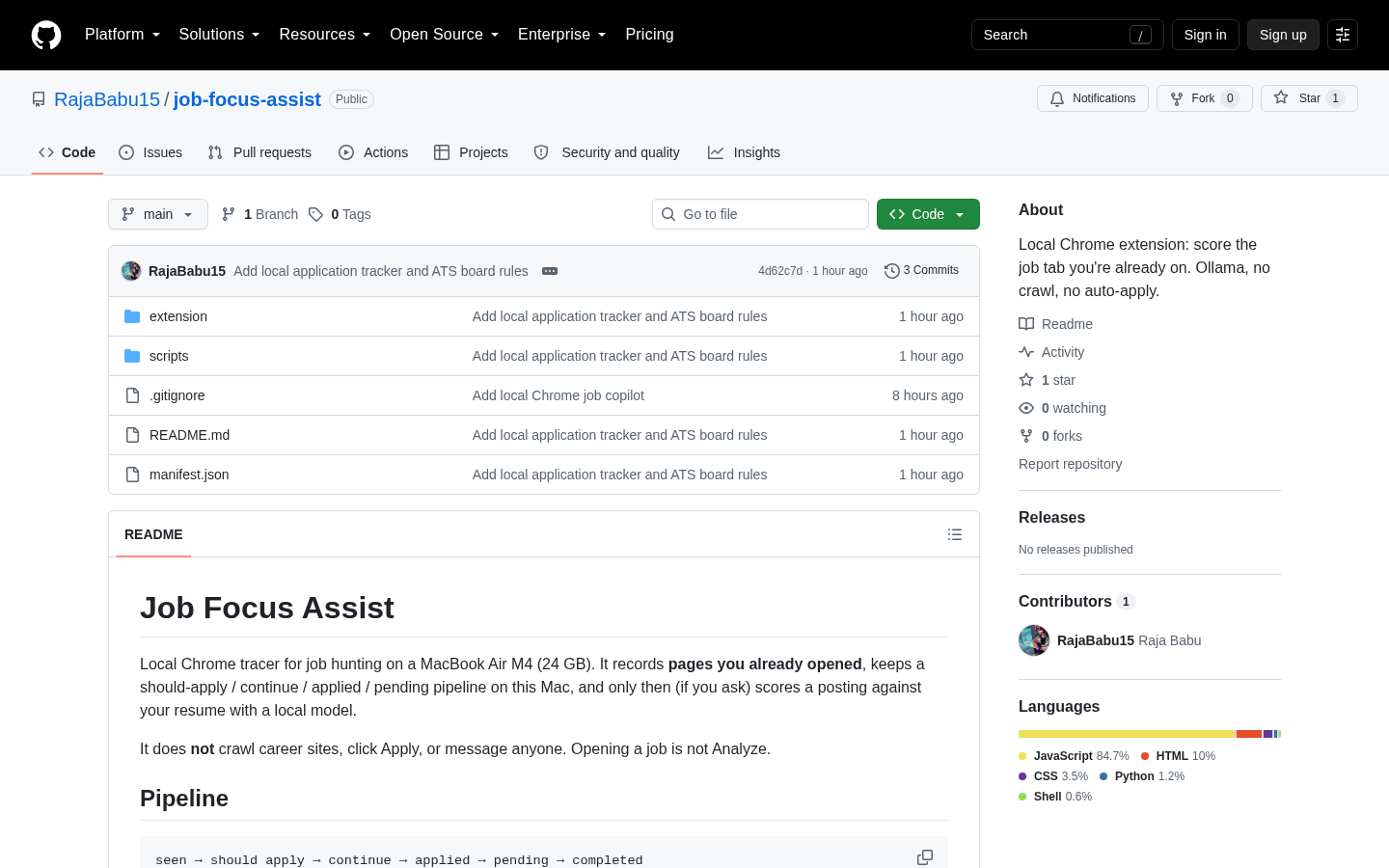
job-focus-assist: A Local-Only Chrome Extension for Tracking Job Applications

job-focus-assist is a Chrome extension that tracks job applications locally, built by developer rajacodes26 and posted to Hacker News as a Show HN project. It records whether you have seen, started, or submitted an application by reading the page state of the tab you have open, and stores that history in your browser's IndexedDB rather than on a server. You install it manually through Chrome's 'load unpacked' developer option, since it is not listed on the Chrome Web Store.

Buyer’s guide

Best Continue Alternatives: How to Choose Now

Continue's GitHub repository is now read-only, and continue.dev confirms the project joined Cursor, according to a Hacker News discussion of the shutdown. This guide explains why that matters for anyone with Continue wired into their editor, sets out the criteria that actually predict whether a replacement will hold up, and compares the two realistic paths forward without inventing pricing or specs the evidence doesn't support. It also flags the local-model workflow that many buyers overlook when migrating away fro

Explainer

AI Framework Narrows Search for Antibody Candidates

Technology Networks reported on August 17, 2026 that an AI framework is being used to narrow the search space for antibody candidates in drug discovery. This explainer covers only what that report confirms, and says plainly where the public detail stops, rather than guessing at methods or results. It also points you to where to check current Vercel pricing if you're evaluating infrastructure for building similar AI filtering tools.

Explainer

Show HN Curia: What the AI Audio App Actually Does

A Show HN post from user chasingimpetus introduced Curia, an app that converts articles and links into customizable audio shows, positioned as personal radio and AI podcasts. The creator is asking Hacker News for early feedback, which signals a nascent, unreviewed product rather than a finished one. This piece explains what Curia does, what remains unverified, and what the roadmap toward a personal media company actually promises today.

Explainer

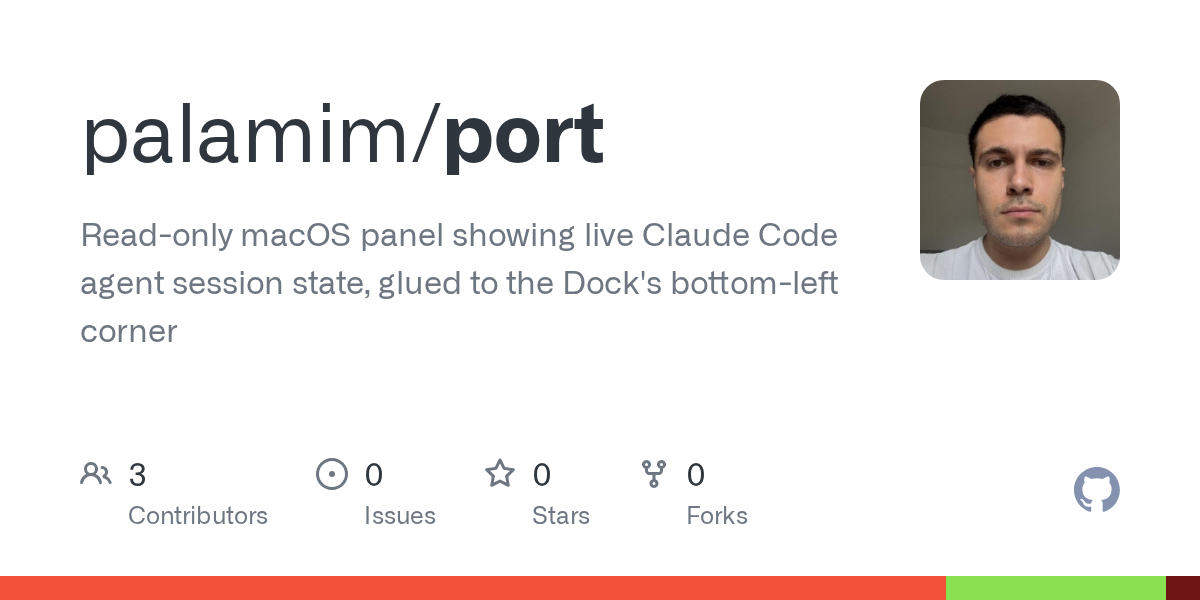
Show HN Claude Code: Sessions in the macOS Dock

A Show HN post titled 'Claude Code sessions next to the macOS dock,' submitted by user leopalamim, documents a tool built after its author kept losing track of five or more concurrent Claude Code agent sessions at once. The project targets a specific workflow gap: knowing which sessions are ongoing, need input, or are finished, after a single terminal window with multiple tabs and a dedicated agent-view tab stopped being enough. This piece explains what the tool tracks, quotes the author's own description of the pr

Explainer

Front Porch AI: What the School Coverage Signals

The Real WV ran its recurring "Front Porch" feature on AI technology in schools, putting the topic in front of local readers rather than a tech blog. Coverage like that usually means AI tools are already a live topic in district conversations, not that one new product just launched. This piece explains what the report does and doesn't confirm, then walks builders through the Vercel Pro and Enterprise tiers, checked on Vercel's pricing page on August 29, 2026.

Explainer

Winuse: Cross-Platform GUI Automation for AI Agents

A Show HN post titled "Winuse – Cross-platform desktop GUI automation for AI agents" was submitted by Hacker News user lgxz, with the project's source hosted at github.com/lgxz/winuse. This matters because it's an early, unverified signal in a growing category: tools that let AI agents operate desktop software directly instead of through an API. This piece separates what the submission actually confirms from what it doesn't, checked as of the pricing pages cited below, so you can evaluate the repository yourself be

Explainer

China's 'Technological Path' in the AI Race

South China Morning Post published a piece asking whether China can follow its own "technological path" amid rising AI rivalry with the US. That framing matters because the infrastructure choices AI teams make now could tie products to one ecosystem over another. This piece reports only what the sourced headline confirms and adds a verified check of Vercel's pricing page, run August 29, 2026, for readers comparing deployment platforms.

Explainer

Feeding Books Into AI Risks a Cultural Void

New Scientist published a piece on August 18, 2026 headlined 'Feeding our books into generative AI risks creating a cultural void,' naming a risk that AI training on book text could narrow the culture it reflects over time. This piece explains what that headline means for a reader meeting the topic for the first time, without inventing figures the source doesn't provide. It also covers what the concern means practically if you're evaluating AI tooling and infrastructure decisions right now.

Explainer

Show HN MCP for Android: No Root, PII Redacted Locally

Android Remote Control MCP appeared on Show HN as a tool that lets AI agents operate real Android apps through the accessibility tree, with no root access and no computer tether required. The developer, posting as daniele_dll, states that PII is redacted locally on the device. This piece explains what the tool does and where cloud compute costs fit if you're building the AI side of that stack.

Explainer

How to Tell If Your AI Account Was Hacked (And What to Check First)

A hacked ChatGPT, Claude, or Gemini account can expose saved conversations, payment details, and connected API keys, not just your login. This guide covers the four places compromise shows up first: sessions, billing history, conversation logs, and account settings. It also lays out the recovery order: revoke sessions, rotate the password, regenerate API keys, and audit integrations, plus when solo builders and teams need different account protection.

Explainer

AI-Powered Benchling Deployment: What Changed for CTSH

Simplywall.st reported on an AI-powered Benchling deployment that Cognizant built for Kyowa Kirin, framing it as a shift in CTSH's investment story, as observed on August 17, 2026. This piece explains what that kind of headline does and doesn't confirm, and walks through what a reader researching Benchling deployments needs to check before acting on it. It also includes two dated, first-hand price checks on a deployment platform relevant to anyone evaluating tools for their own AI-powered projects.

Explainer

AI Is Exposing the Labor Market's Hidden Flaws

Fast Company Middle East published a piece arguing that AI is revealing the hidden flaws in the labor market, not creating new ones. This matters because it reframes automation anxiety as a diagnostic tool rather than a verdict on who keeps their job. This piece adds verified Vercel pricing-page checks, dated August 29, 2026, for readers deciding whether to build or buy AI tooling in response.