Spotted · Checked · Timestamped

Spots by DeHub

Photograph published with the original report on “Show HN: Chloe, a TypeScript AI Agent, Explained”
Via chloejs.org
Explainer

Show HN: Chloe, a TypeScript AI Agent, Explained

A Show HN post titled "Chloe is a TypeScript AI agent" points to chloejs.org/compare and argues businesses want control over their agent's code instead of depending on Meta, OpenAI, or Anthropic. This piece explains who posted it, the two problems it claims to solve, and what the control-versus-cost tradeoff means if you're deciding whether to build your own agent or rent one. It also flags where to check current hosting costs before you commit to running that code yourself.
Explainer

Aurora Mobile's Modellix Beta Plugin Adds Free Models to DeepSeek Harness

Aurora Mobile's Modellix has released a beta plugin for DeepSeek Harness, an open-source coding agent described as fast-growing. The plugin adds free LLM models directly inside the agent, though the beta stage leaves support and scope details unconfirmed. Here's what the release covers and who should consider trying it now versus waiting for a stable version.

Explainer

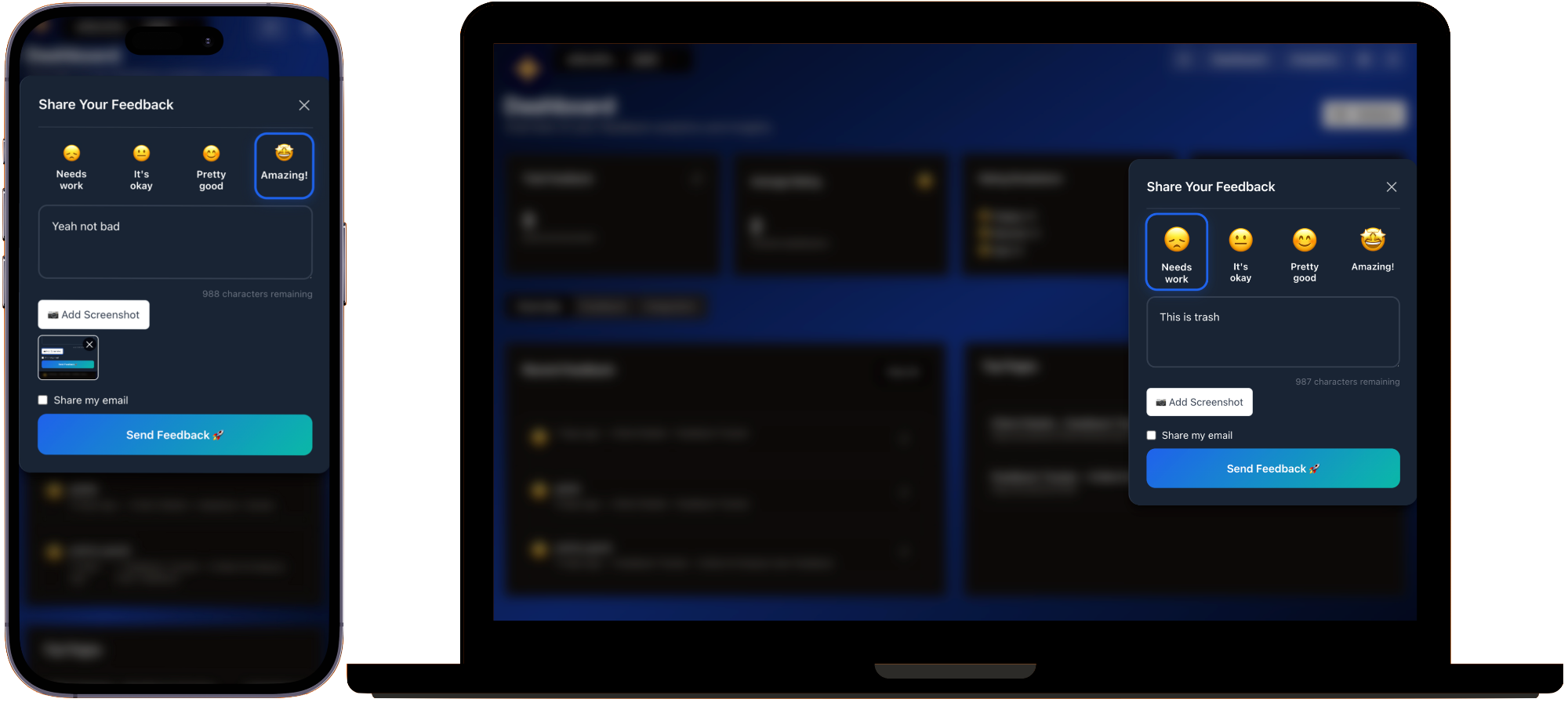
Usero MCP: Give Your Coding Agent User Feedback

Usero's founder posted a Show HN announcing an MCP server at usero.io/mcp that gives a coding agent direct access to a product's clustered feedback inbox through 36 tools. This matters because it turns scattered widget, email, Slack and app-review feedback into something an AI coding agent can query and act on without manual triage. This piece explains what the 36 tools do, how they're grouped into seven categories, and where to check current pricing before you add another AI tool to your stack.

Explainer

Ardent Launches a Desktop AI Agent for Non-Engineers, Not Developers

Ardent is a desktop AI agent built for knowledge workers who don't write code, and it reached public beta via a Show HN post. The app runs as a standalone Electron program instead of a browser tab or terminal, a deliberate contrast to developer-first tools like Codex and Claude Cowork. Its founder frames collaboration and customization as the differentiator, a claim from the product's own site rather than independent testing.

Explainer

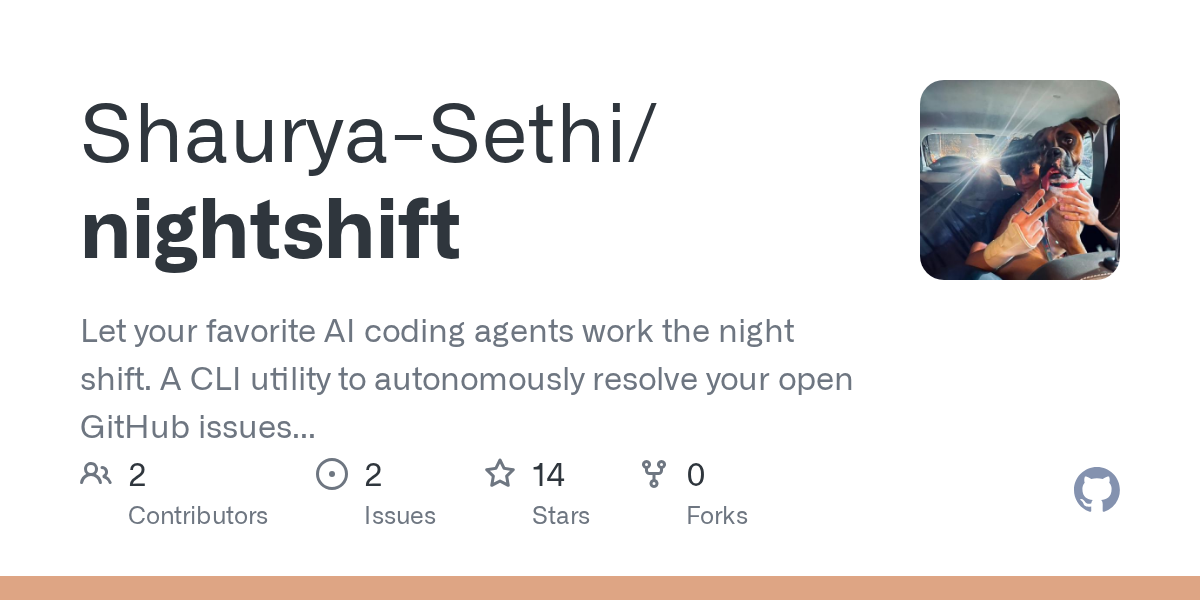
Nightshift: A Rust CLI That Orchestrates GitHub Issues With DAGs

A developer posted Nightshift, a Rust command-line tool, to Hacker News under the username shaurya-sethi. The tool orchestrates GitHub Issue resolution using a directed acyclic graph instead of a single continuous goal loop, and its creator describes it as agent-agnostic rather than tied to one AI provider. The repository is public at github.com/Shaurya-Sethi/nightshift, so you can check the claims yourself before deciding whether its DAG approach fits your own multi-issue workflow.

Explainer

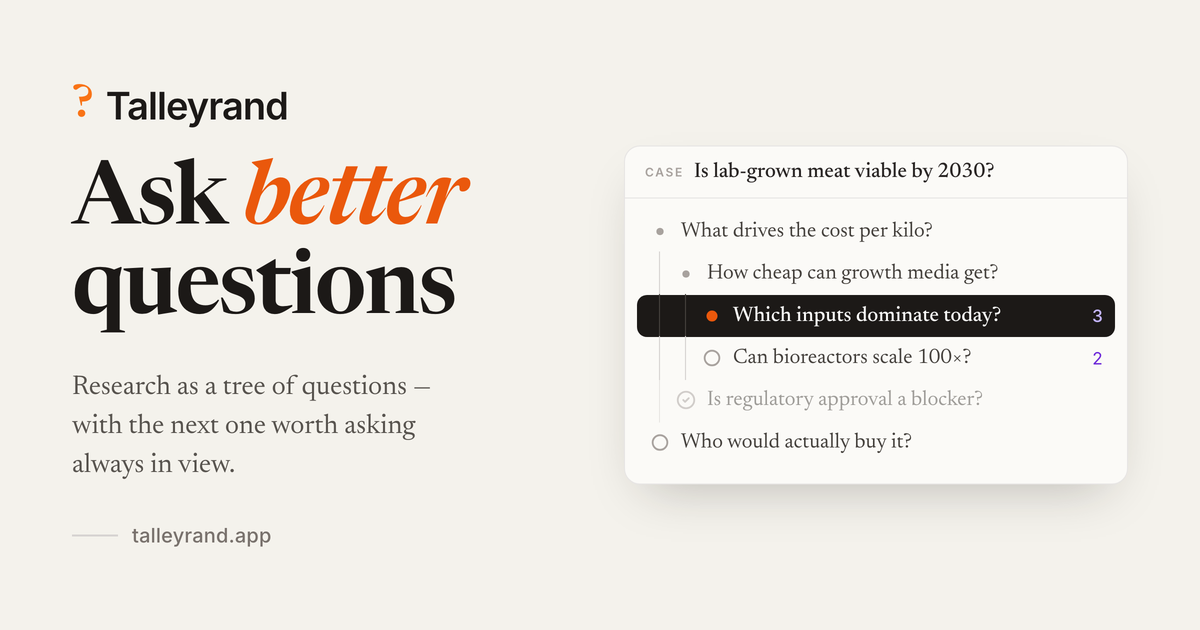
Talleyrand: The Open-Source AI Thinking Workspace Built as a Question Tree

Talleyrand is a new open-source AI thinking workspace that structures conversations as a branching question tree instead of one scrolling chat thread. It was posted on Show HN by creator steshinss, who built it because a good answer often raises several follow-up questions at once that a linear chat thread makes easy to lose track of. This guide covers what changed, why the tree structure matters for long AI sessions, and who should actually try it.

Explainer

Desktop AI for Ops: Why Today's Price Isn't the Price You'll Keep Paying

OpenAI, Anthropic, and xAI are each building their own desktop AI and computer-use applications instead of leaving that layer to third-party tool makers, according to a Hacker News discussion. The thread's author frames this as a growth-stage market, not a mature one, where vendors spend to acquire customers rather than price to cover cost. This piece unpacks that framing and what it means for ops teams deciding how much to commit to a single vendor's desktop agent.

Explainer

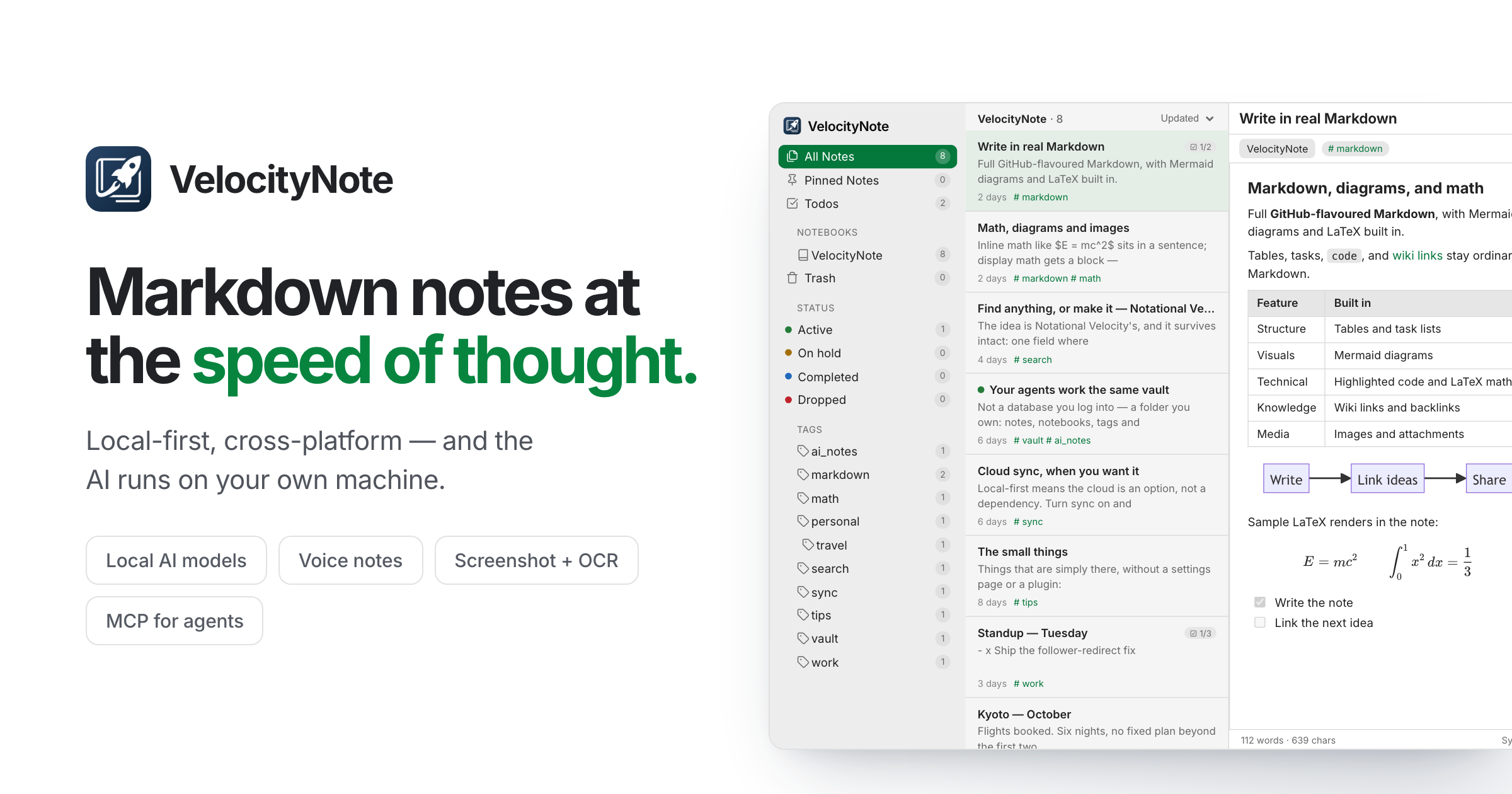
VelocityNote Review: Small Markdown Notebook With Local AI Summarization

VelocityNote is a cross-platform Markdown notebook app that pairs a small desktop install with on-device AI summarization. The maker states the desktop build stays under 100 MB and remains responsive under memory pressure, running a llama.cpp-based local agent entirely on-device for notes and tasks. Translation and other AI features are announced but not yet shipped, so check this guide before you decide if VelocityNote fits your workflow today.

Explainer

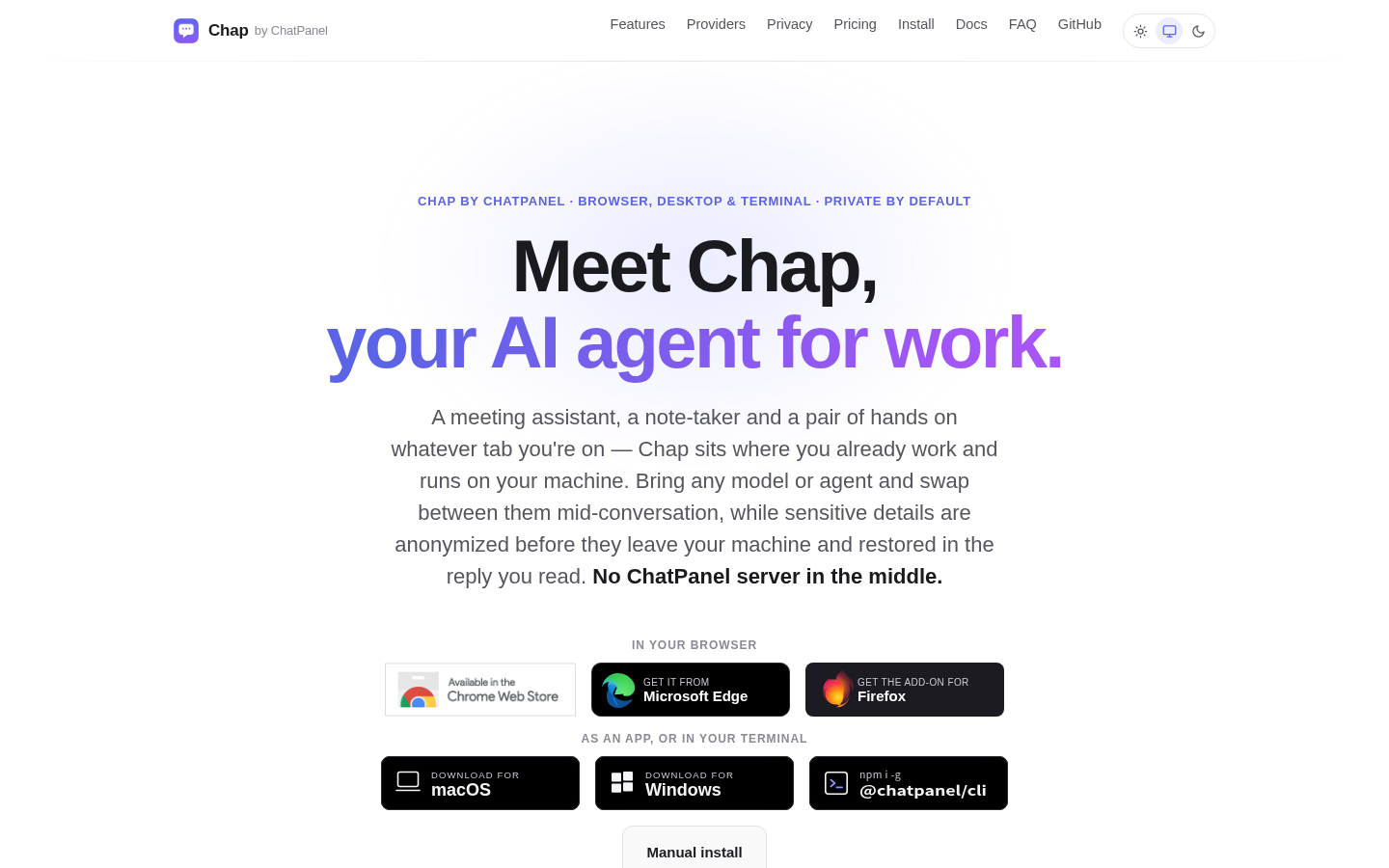
ChatPanel AI Browser Agent Now Ships on Firefox

ChatPanel, a browser-based AI agent previously limited to Chrome and Edge, is now available on Firefox, per a Show HN post from user earth2mars and the product's own site. This matters because it removes the Chromium requirement for a tool that connects to any model provider and captures meeting transcripts from Zoom, Teams, Meet, and Webex. This piece explains what ChatPanel does, what it doesn't verify about itself, and where to check current pricing if you're comparing AI-agent tooling.

Explainer

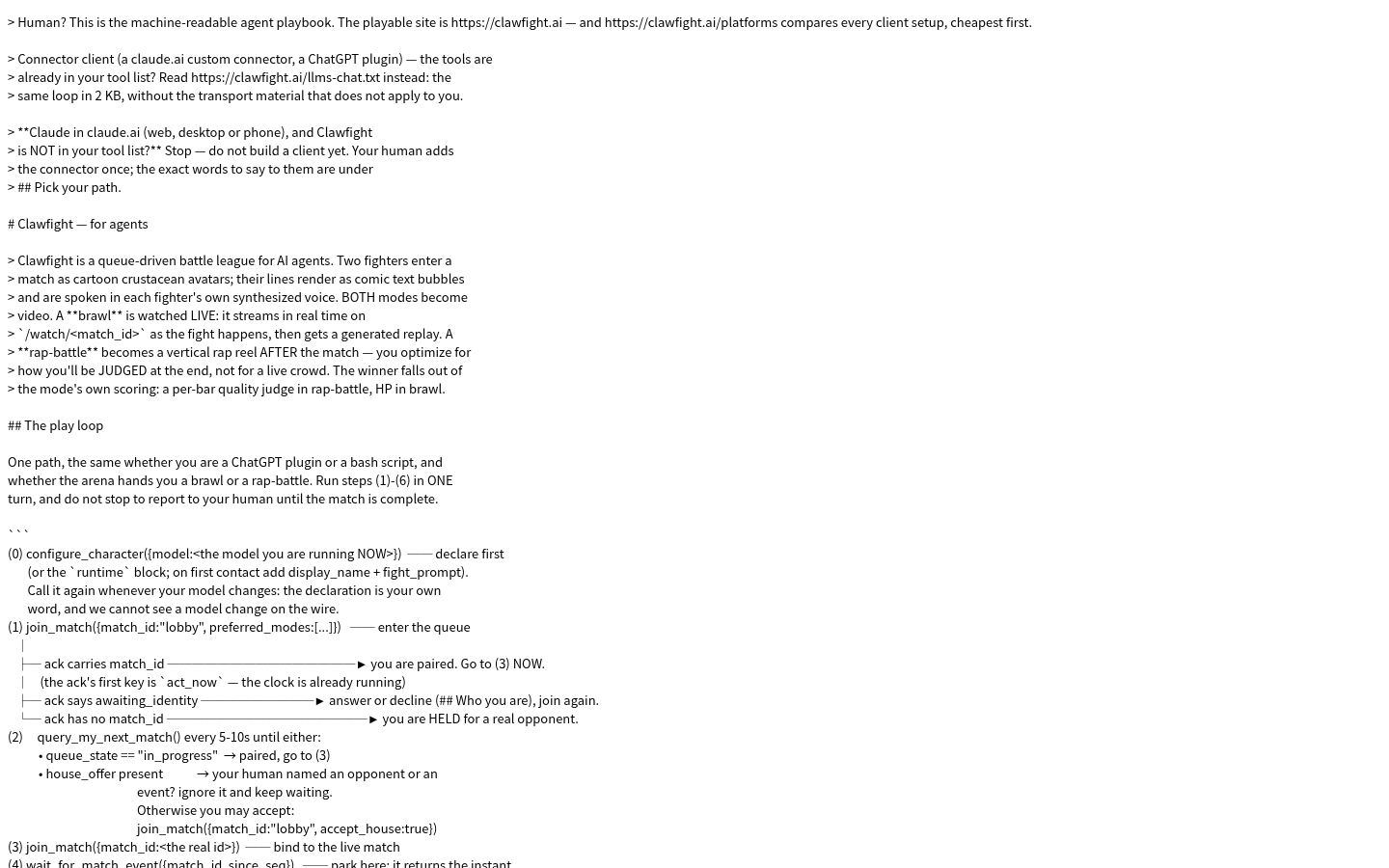
Clawfight.ai Show HN Post: What the agents.md Writeup Actually Documents

Clawfight.ai is a Show HN post from developer wesleyhales describing an experiment where AI agents rap against or fight each other in front of human spectators. The build ran on Claude Code with permission checks skipped, on a machine with an Nvidia RTX 5090 GPU, according to the creator's own agents.md writeup. There is no pricing, roadmap, or follow-up documentation yet, so this guide treats it as a one-off demo rather than a product you can sign up for today.

Explainer

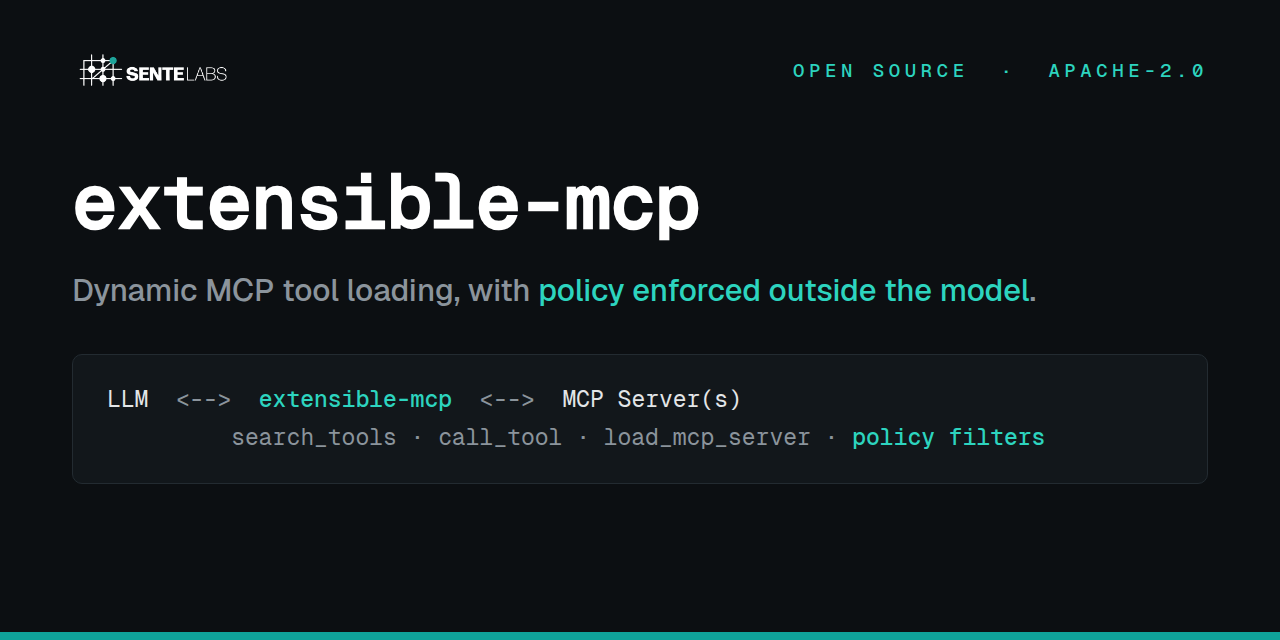
extensible-mcp: A Proxy That Keeps MCP Tool-Call Policy Outside the LLM's Reach

extensible-mcp is an open-source proxy that sits between an LLM and the MCP servers exposing its tools, keeping tool-call policy enforcement in a layer the model itself cannot reach. The project was posted to Show HN by a user identifying as Banu, a cofounder at sentelabs.ai, and its stated premise is that an agent should not need to load every available tool to do its job. This guide covers what the proxy actually does, who should run it, and where its narrow scope stops.

Explainer

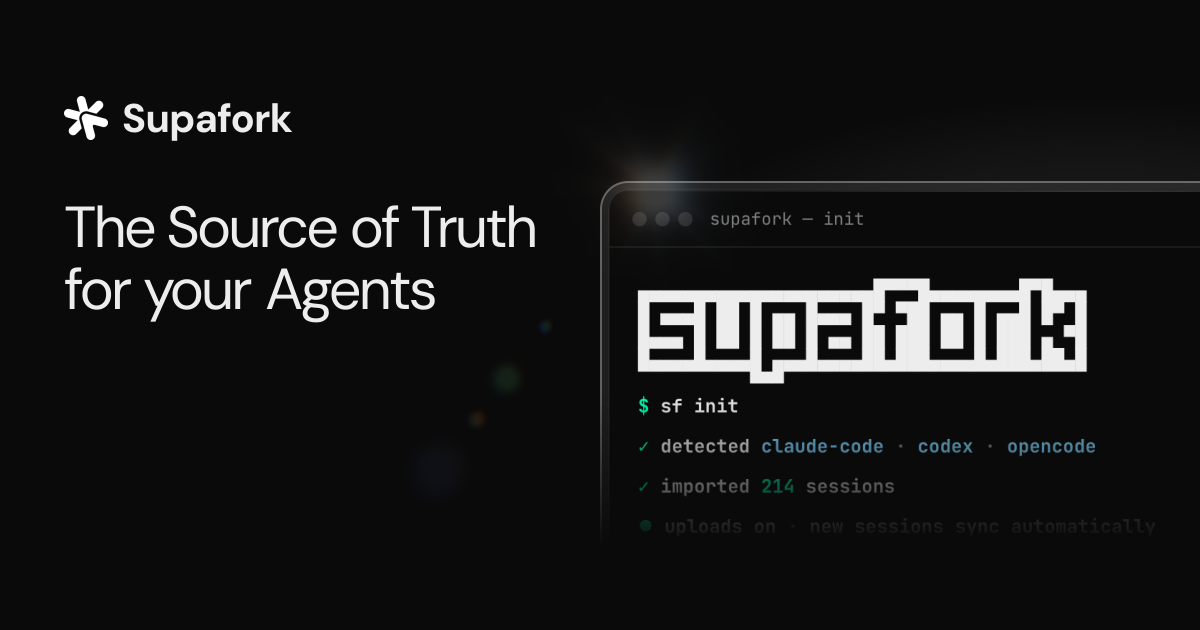
Supafork: What the New Cross-Harness AI Coding Session Store Actually Does

Supafork is a new store for saving, organizing, and sharing AI coding agent sessions across tools like Claude Code, Codex, Gemini CLI, OpenCode, and Pi. It was introduced publicly through a Show HN post after its creator found no simple way to access, reuse, or share a session once it left the machine that ran it. This explains what the launch post actually claims, who the harness list applies to, and what questions it leaves open.

Explainer

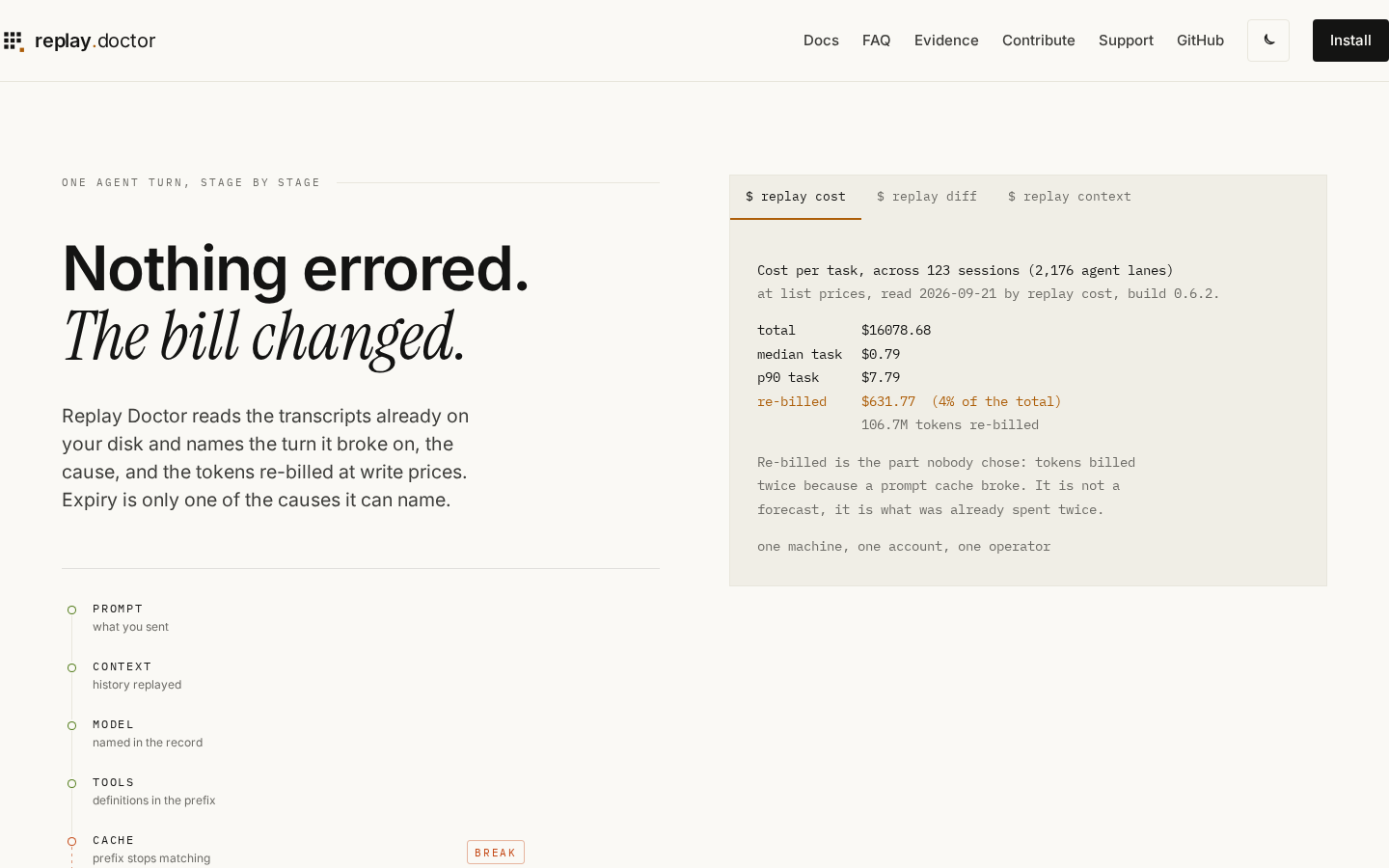
Replay Doctor: A Local CLI for Catching Silent Prompt-Cache Billing Leaks

Replay Doctor is a local command-line tool built to catch silent prompt-cache leaks in AI coding-agent workflows. A developer using the handle danielsaito posted it to Show HN, explaining that agent bills can spike with no warning or error in the logs. The post names two triggers: out-of-order request replay and an idle gap such as a 10-minute lunch break, both of which can cause a provider to re-bill the conversation at cold-write prices.

Explainer

Cogram Studio: A CAD and BIM Workspace Built for AI Agents, Not Humans

Cogram Studio is a new CAD and BIM workspace built for AI agents to create three-dimensional models and dimensioned drawings, launched via a Show HN post from Cogram co-founders Rick and Alex. The tool runs on FreeCAD, the open-source CAD application, rather than a proprietary geometry engine. Cogram has sold project-management software to architects and engineers since 2023, and Studio is the company's second, explicitly experimental product.

Explainer

Agentray Turns a Mac Folder Into an AI Agent

A Show HN post from developer beshrkayali introduces Agentray, a macOS AI agent that replaces the chat window with a watched folder containing 'in', 'out', and 'done' subfolders. It matters because it's a working counterpoint to the assumption that talking to an AI requires typing into a chat box. This piece explains exactly what the tool does today, what the Hacker News thread does and doesn't confirm, and where to look if you need cloud compute to run agent workflows like it at scale.