Show HN Repliflow: A Node Canvas for Replicate Models
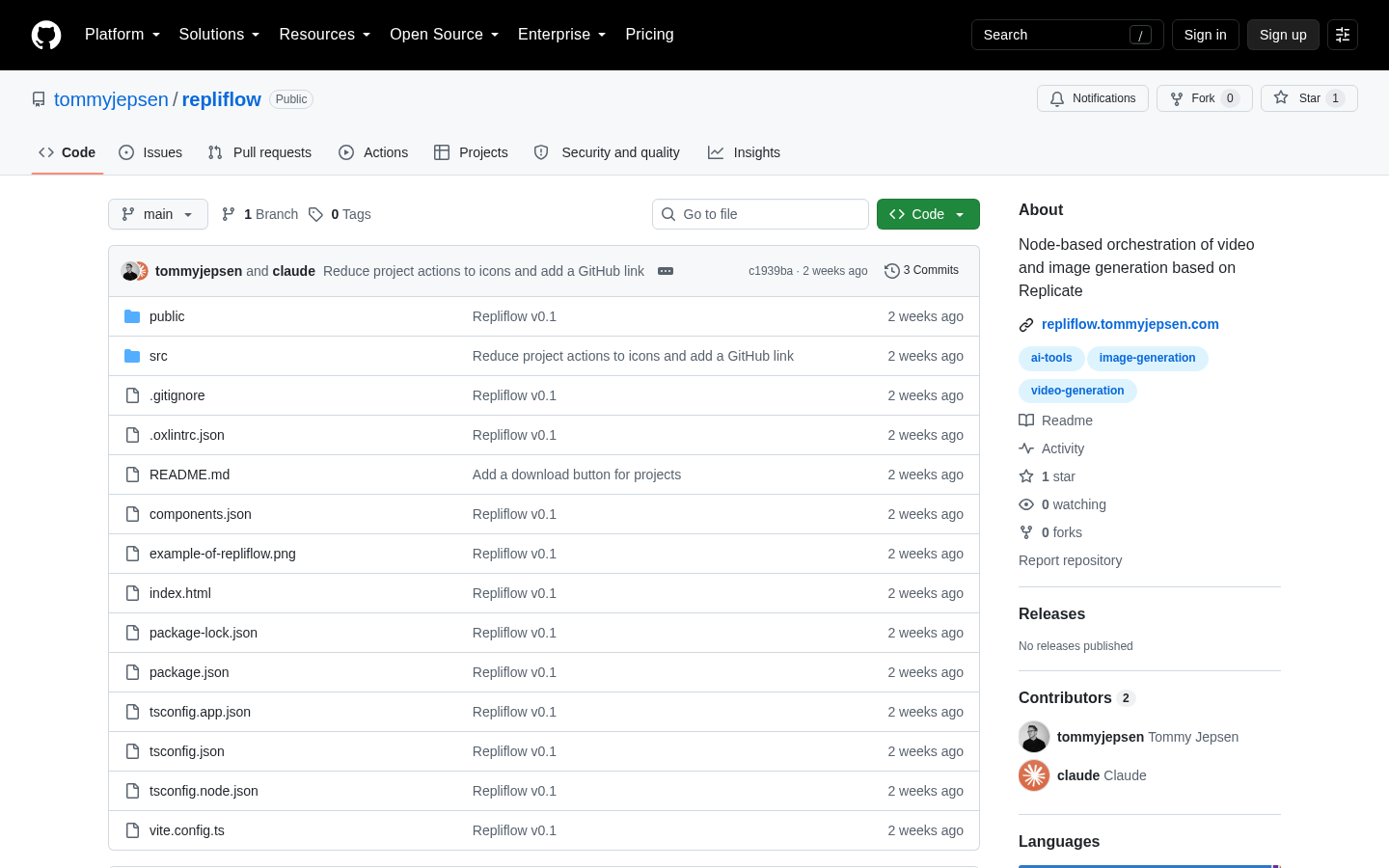
Repliflow appeared on Hacker News as a Show HN post from developer tommyjepsen, described in its own headline as a node canvas for chaining Replicate image and video models. This piece explains what that description means in practice and where to find the project's code on GitHub. It also covers the hosting decision that follows once you're running a visual, node-based AI tool of your own, and where to check current pricing before you commit.
Disclosure: this article contains affiliate links. If you buy through them we may earn a commission at no additional cost to you. Our recommendations are based on the evidence recorded alongside this article, and prices were verified on the date shown.
What changed and why it matters
Repliflow surfaced on Hacker News as a Show HN post from a developer using the handle tommyjepsen. The post's own headline describes it plainly: a node canvas for chaining Replicate image and video models (github.com/tommyjepsen/repliflow).
That headline matters because it tells you the category before you open a single line of code. This isn't a new model, and it isn't a Replicate competitor. It's a canvas — a visual layer that sits on top of Replicate's existing catalog of image and video models and lets you wire their outputs together.
The detail
Show HN is Hacker News's format for independent developers to post something they built and get direct feedback from the community. tommyjepsen used it to introduce Repliflow, and the project's code is hosted publicly at github.com/tommyjepsen/repliflow.
The headline description — a node canvas for chaining Replicate image and video models — tells you what problem it targets. Replicate itself is a platform for running machine learning models through an API, and a common pattern for people who use it heavily is running one model's output into another model's input: generate an image, then animate it into video, then upscale it, each step handled by a different Replicate model. Doing that by hand means writing scripts or manually copying outputs between separate API calls. A node canvas replaces that with a visual graph: each model is a node, and you connect outputs to inputs by drawing a line between them.
If you haven't used a node-based tool before, think of it as a flowchart you can actually run. You are not writing orchestration code line by line — you are arranging boxes and connecting them, and the canvas handles passing data from one step to the next.
Beyond the headline description and the repository location, there's no further detail confirmed for this piece — no confirmed pricing, license terms, or hosting requirements. If those specifics matter to your decision, check the repository directly before you build anything on top of it.
What it means for you
If you're evaluating whether to build or adopt a tool like Repliflow, the practical question isn't just what the canvas does — it's where you're going to run it. A node canvas that chains external model calls is a web application in its own right, and web applications built around AI workflows need a deployment target that can handle API calls to third-party services like Replicate without you managing your own server infrastructure.
That's the decision point where a platform like Vercel enters the picture. If you're weighing hosting options for a project in this category — whether you're adapting Repliflow, building your own canvas, or standing up any AI-tool front end — See current pricing at the merchant shows you the current plan tiers and what's included at each level before you commit infrastructure budget to the build.
If your evaluation also involves comparing recurring tool costs against what a project can realistically spend, our guide on the MI Measure Price Calculator: How to Choose walks through how to weigh a tool's price against the value it returns, which applies just as well to hosting spend as it does to any other line item.
Skip this path if you need a fully managed, no-code AI workflow product — a node canvas on GitHub is a developer tool, and you should expect to read code, run a build, and manage your own model API keys rather than get a hosted service out of the box. It suits developers who already use Replicate and want to stop scripting multi-model chains by hand. It doesn't suit anyone looking for a finished consumer app.
The decision in front of you isn't whether Repliflow is good — there isn't enough confirmed detail here to grade it. It's whether a self-hosted node canvas fits your workflow at all, and if it does, getting your hosting sorted before you start wiring nodes together is the practical next step.
What this costs right now
Vercel
The last check on this price fell outside our freshness window, so no figure is shown.
Check the current price at VercelPrices move. We print the figure we read and the moment we read it, and suppress anything older than its window rather than guess at the current number.