Show HN Build Your Own Theme Park, Explained
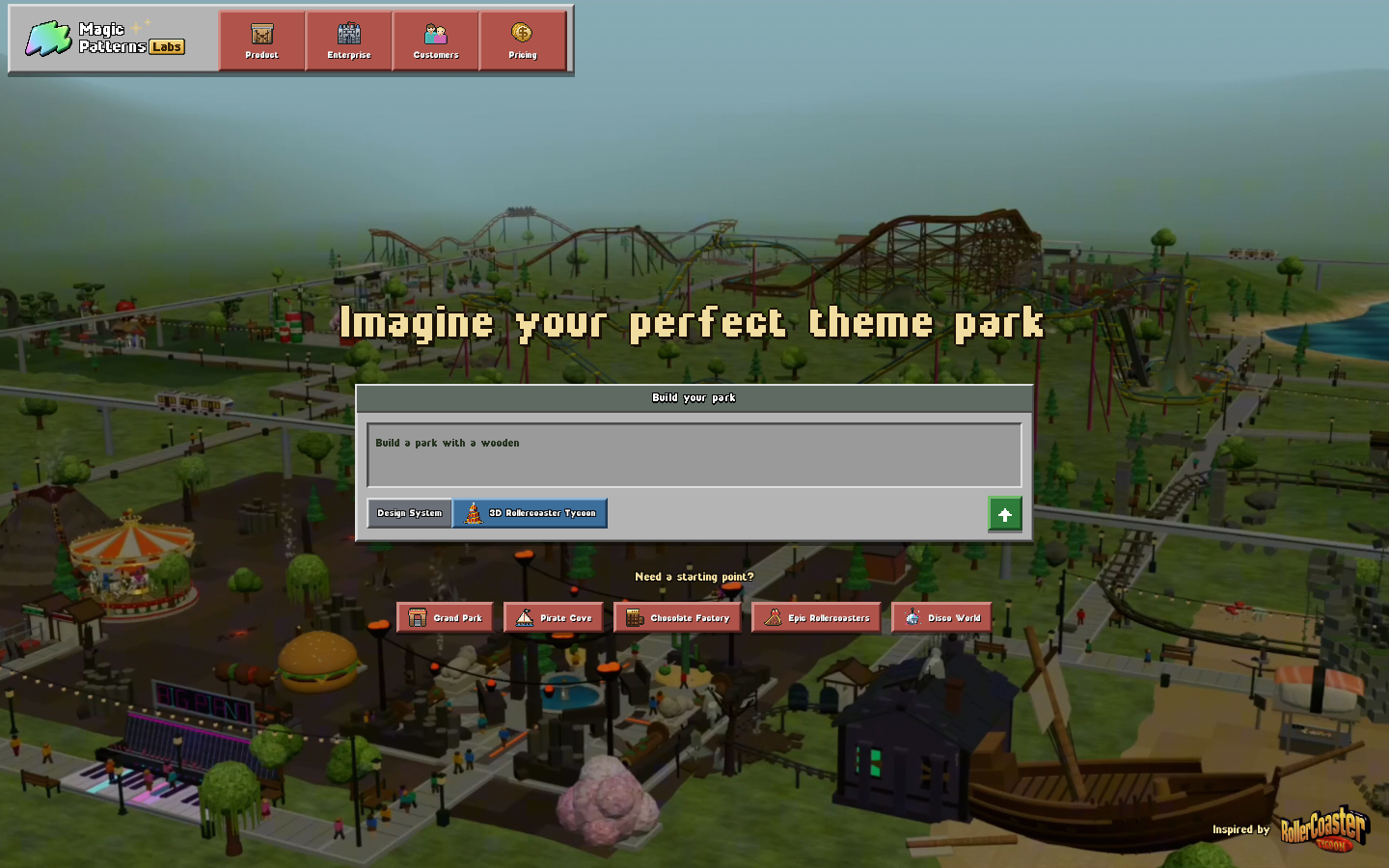
A Show HN post titled "Build your own theme park" describes an agent that turns a single text prompt into a full theme park layout with multiple worlds, paths, and rides, hosted at magicpatterns.com/theme-park. It matters because it's a concrete, checkable example of prompt-to-layout generation applied outside typical business tooling, submitted by HN user thealexanderlee. This piece explains what the tool does, how its underlying method works according to its creator, and what the demo implies for anyone weighing
Disclosure: this article contains affiliate links. If you buy through them we may earn a commission at no additional cost to you. Our recommendations are based on the evidence recorded alongside this article, and prices were verified on the date shown.
If you followed the Show HN thread titled "Build your own theme park," the short version is this: it's a demo, not a product. A single text prompt generates a full theme-park layout — multiple worlds connected by paths, with rides inside each one — and there's no separate product page, pricing tier, or account system to evaluate. It's worth reading about because it's a clean, checkable example of what prompt-to-layout generation looks like today, not because it's something you'll buy.
Skip this if you're looking for a finished consumer app to play with for more than a few minutes, or for a tool with documented plans and limits. Read on if you want to understand what the demo actually does and where that leaves you if you're building something similar.
What changed and why it matters
The Show HN post "Build your own theme park" describes an agent that accepts a plain-language request — something like "Build me a cool theme park" — and generates a cohesive layout in response: multiple worlds, the paths connecting them, and rides placed within each world. The project is hosted at a single URL, magicpatterns.com/theme-park, with no separate product page described in the source material. The post was submitted to Hacker News by user thealexanderlee.
What makes it worth a second look isn't the theme-park framing — it's what the framing is standing in for. According to the creator's own description, the generator was built using the same technique the author's team uses to make AI-generated websites follow a company's design system. In other words, the theme park is a playful test case for a layout-consistency method that's normally applied to more mundane output, like a website that has to stay on-brand across pages. Seeing it applied to something visual and game-like makes the underlying capability easier to evaluate than it would be buried inside a business dashboard.
The detail
For a reader meeting this for the first time, here's what the available source material actually establishes about the tool, laid out plainly:
| What | Detail (per the Show HN post) |
|---|---|
| Input | A single text prompt (example given: "Build me a cool theme park") |
| Output | A full layout: multiple worlds, paths between them, and rides within each world |
| Underlying method | The same design-system-consistency approach the creator's team uses for AI-generated websites |
| Access | One URL, magicpatterns.com/theme-park — no separate product page described |
| Origin | Submitted to Hacker News by user thealexanderlee |
That's the full extent of what's verifiable. There's no stated pricing, no account requirement described, and no performance benchmark in the source — so none of those get invented here. What the table does establish is the shape of the technique: it's a consistency layer applied on top of generation, meant to keep multi-part output (worlds, paths, rides — or, in the more common case, website pages) visually and structurally coherent rather than a pile of disconnected pieces.
Best for: developers and product people who want a fast, concrete look at prompt-to-layout generation before deciding whether the same design-system-consistency method is relevant to their own AI-agent work.
Skip it if: you need a tool with a defined API, pricing, or support model — none of that is part of what the Show HN post describes.
What it means for you
If the interesting part of this demo is the technique — turning one prompt into a structured, multi-part layout that holds together — the next question isn't design, it's infrastructure. A generator like this, or anything you build using a similar prompt-to-layout approach, still needs somewhere to run: compute for the agent, storage for generated assets, and a place to serve the result. That's a hosting decision, separate from the generation technique itself.
If you're at the stage of scoping that infrastructure, See current pricing at the merchant is the practical next step — it tells you what you'd actually be paying for compute and storage before you commit to an architecture, rather than guessing.
For the adjacent question of whether projects like this even get found once they're built, see AI-Visibility Tactics: What the Ask HN Thread Shows — it covers what determines whether an agent-built project surfaces at all once it's live.
The decision in front of you isn't whether to try a novelty demo. It's whether the design-system-consistency method behind it is something you'd build on — and if it is, the next line item is the hosting bill, not the prompt.
What this costs right now
DigitalOcean
The last check on this price fell outside our freshness window, so no figure is shown.
Check the current price at DigitalOceanPrices move. We print the figure we read and the moment we read it, and suppress anything older than its window rather than guess at the current number.