Show HN: Turn a Sandbox into an MCP Server
A Show HN post from developer xwil introduces mcpd, a tool that exposes a sandbox environment as an MCP (Model Context Protocol) server using configuration files instead of custom integration code. This matters for anyone running cloud coding agents that need tool access to private infrastructure, since it removes a build step that normally requires bespoke server code. This piece explains what mcpd does, how the developer uses it for private repo code search and Slack-routed debugging, and what the setup implies i
Disclosure: this article contains affiliate links. If you buy through them we may earn a commission at no additional cost to you. Our recommendations are based on the evidence recorded alongside this article, and prices were verified on the date shown.
What changed and why it matters
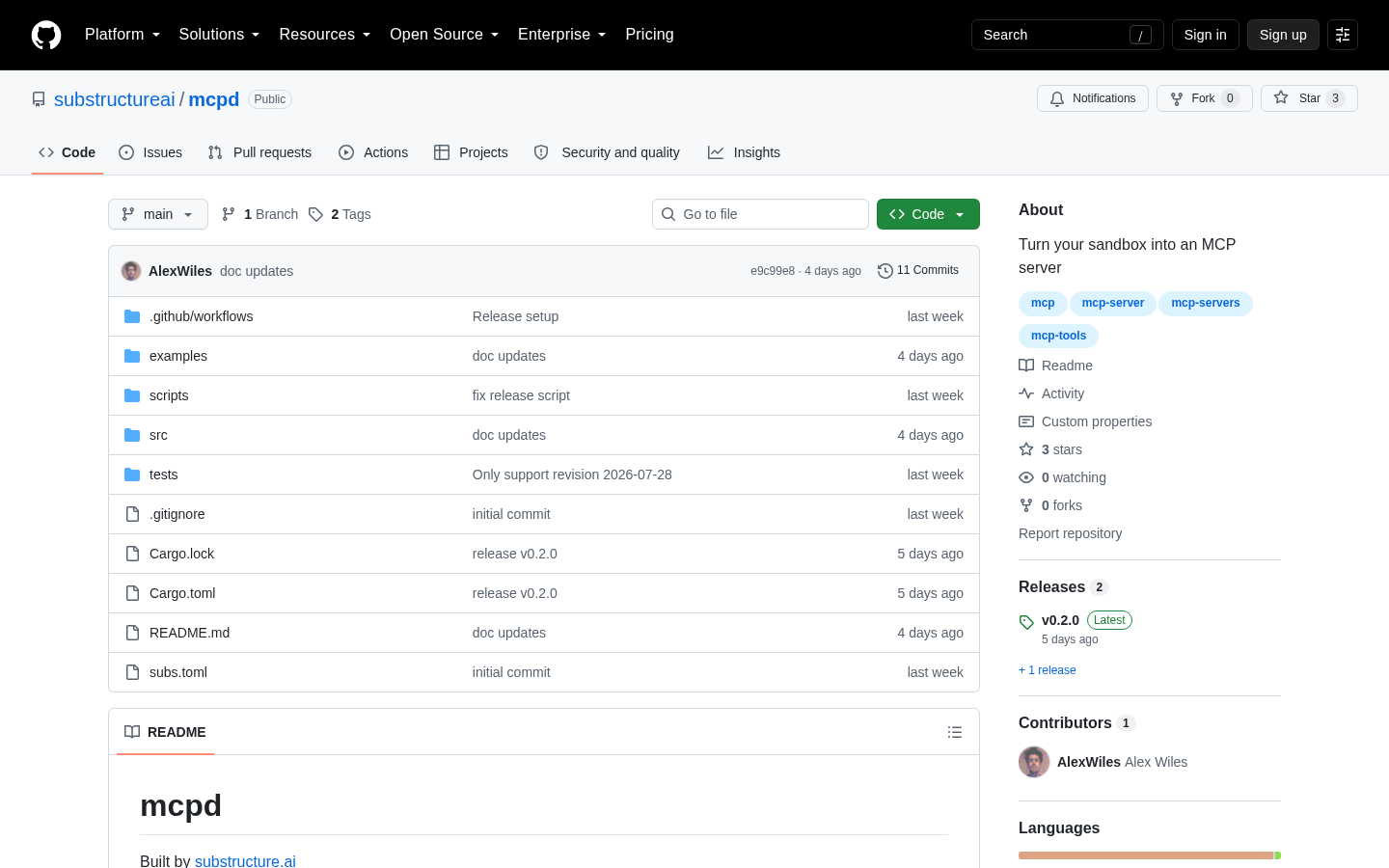
A developer using the handle xwil posted mcpd to Hacker News under the title "Show HN: Turn a Sandbox into an MCP Server." The project is hosted on GitHub, and per the Show HN post, mcpd turns a sandbox environment into an MCP server through configuration alone, without requiring custom integration code.
That's the detail worth noting if you build or operate cloud coding agents: the usual path to giving an agent a new tool is writing a small server that speaks MCP, wiring it into the agent's config, and maintaining that server as the agent's needs change. mcpd's pitch, per its author, is that the configuration step replaces the server-building step. If a sandbox already runs the environment you want an agent to reach, mcpd's job is to expose it, not to duplicate it.
The detail
MCP, the Model Context Protocol, is the interface a growing number of coding agents use to call external tools — running a command, searching a codebase, hitting an API — instead of hallucinating the result. Most MCP servers are hand-written: a small program that defines what tools it offers and how to execute them. mcpd's stated approach skips that program and lets a configuration file describe a sandbox's tools instead.
The mcpd repository includes example configuration files modeled on popular coding harness tools, per the project's Show HN post. That means a reader evaluating mcpd doesn't have to write a config from scratch — they can start from a pattern the project already ships and adapt it to their own sandbox.
The developer's own use case, described in the same post, is concrete: they use mcpd to give their cloud coding agents code search tools over private repositories they manage. Alongside that, they describe a script that syncs project code to the sandbox on deploy, which they connect to their cloud agents for debugging via Slack. In other words, the sandbox isn't just a demo environment — it's the live surface the agent searches and debugs against, kept current by a deploy-time sync step, with problems routed to a channel a human is already watching.
| What you need | What mcpd is said to provide |
|---|---|
| Expose a sandbox as an MCP tool source | Configuration-only setup, per the Show HN post |
| Starting point for config | Example files patterned on popular coding harnesses |
| Code search over private repos | The developer's stated primary use case |
| Debugging visibility | A deploy-time sync script wired to Slack, per the developer's account |
What it means for you
If you're running cloud coding agents against your own codebase, the practical takeaway is where the sandbox and its supporting scripts live, not just how mcpd configures them. A deploy-time sync script and an always-on sandbox both need a host that stays reachable between deploys — the same requirement behind any team's choice of where to run application infrastructure. If you're separately weighing self-managed servers against a managed platform for that kind of always-on workload, the comparison in Self-Hosting a Web Archive on DigitalOcean: Droplets, Spaces and Managed PostgreSQL Compared walks through the droplet-versus-managed-service tradeoff in a different but related context.
For teams that want to skip provisioning and scaling that hosting layer themselves, See current pricing at the merchant shows the current plans and limits for deploying and scaling the services around a setup like this, so you can see whether a managed platform fits before you commit engineering time to running your own.
Best for: teams already running cloud coding agents that need tool access to private code, and who want to avoid hand-writing an MCP server for each new environment.
Skip it if: you don't run coding agents against private infrastructure, or your agent's tool needs are already covered by an existing MCP server — mcpd's value is in replacing custom server code, not in adding a new capability class.
The decision that follows from this Show HN post isn't whether mcpd's approach is interesting — the developer's own account of code search and Slack-routed debugging makes the use case concrete. It's whether your own sandbox and sync scripts run somewhere you're willing to maintain long-term, or whether that's the piece worth handing to a managed host.
What this costs right now
Vercel
The last check on this price fell outside our freshness window, so no figure is shown.
Check the current price at VercelPrices move. We print the figure we read and the moment we read it, and suppress anything older than its window rather than guess at the current number.