How to Choose a Data Protection Platform
A data breach at shipping giant Ceva Logistics is rippling across banks, retailers, Steam gamers, and other parties, TechCrunch reported. That kind of cascading exposure matters if you're choosing or renewing a data protection platform right now, since a vendor's problem can quietly become yours. This guide lays out the buying criteria that matter in priority order, points you to where you can check current pricing directly with a provider, and flags the mistakes that leave buyers exposed after a breach like this o
Disclosure: this article contains affiliate links. If you buy through them we may earn a commission at no additional cost to you. Our recommendations are based on the evidence recorded alongside this article, and prices were verified on the date shown.
This is for anyone re-evaluating a data protection vendor after a shipping-industry breach reached banks, retailers, and Steam gamers. Verdict: don't renew on autopilot — check exposure scope, vendor risk visibility, and current pricing before you sign anything.
What changed and why it matters
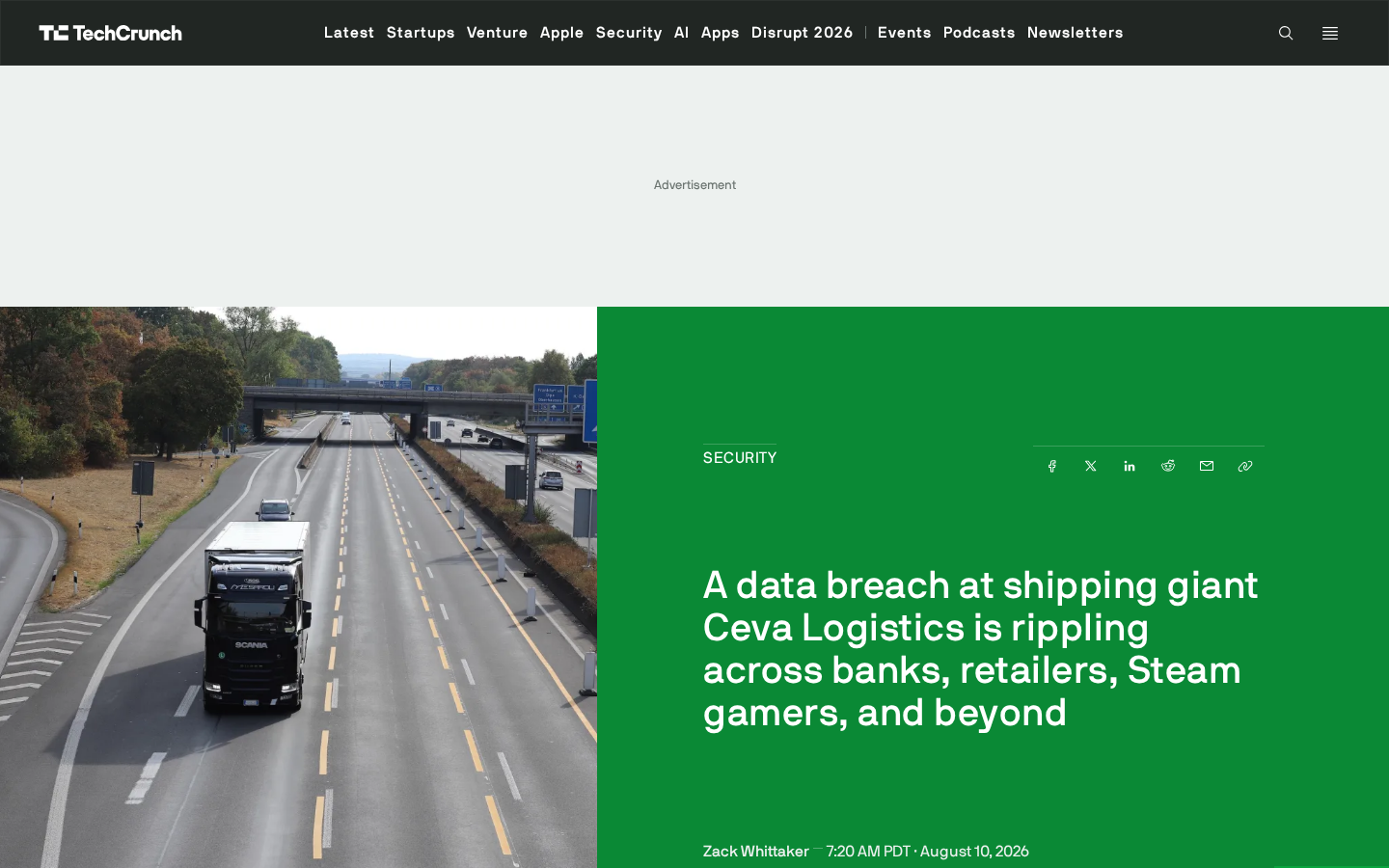
TechCrunch reported a data breach at shipping giant Ceva Logistics, and per the outlet's own headline, the fallout is "rippling across banks, retailers, Steam gamers, and beyond" (TechCrunch).
That spread is the story. A logistics company's exposure moving into finance, retail, and gaming — sectors with no obvious operational link to shipping — shows how far a single vendor's incident can travel once it crosses into shared payment rails, fulfillment data, or account systems. If your organization sits anywhere in a supply chain that touches a logistics provider, payment processor, or fulfillment partner, this is the kind of incident that turns someone else's breach into your notification letter, whether or not you've ever dealt with Ceva Logistics directly. For a fuller breakdown of what to check before signing with any vendor in the wake of this incident, read Choosing a Data Platform After the Ceva Logistics Breach: A Buying Checklist.
What to look for
Work through these criteria in order. The first two matter most whenever a breach has already spread past its original target, which is exactly what's happening here.
- Vendor and third-party exposure visibility — whether the platform can tell you if a supplier somewhere in your chain is compromised, not just whether your own systems show signs of trouble. This is the criterion that would have mattered most to any bank, retailer, or gaming platform sitting downstream of Ceva Logistics.
- Network and edge protections — web application firewall, DDoS mitigation, and bot management for anything public-facing. These matter more in the days after a public breach, when opportunistic attackers probe every exposed login page and API they can find.
- Zero trust access controls — limits on what a single compromised credential can reach across your systems. A breach at one vendor often surfaces as leaked or reused credentials elsewhere, so containment matters as much as prevention.
- Incident response and notification support — how the vendor commits, in writing, to telling you if something in your environment is affected, and how fast. Vague language here is a red flag regardless of how polished the sales deck is.
- Compliance certifications for your industry — finance, healthcare, and retail each carry different regulatory requirements. Check that the platform covers your specific obligations, not a generic claim of "enterprise-grade" compliance.
- Pricing transparency and contract flexibility — whether you can see real costs and move between tiers without a full renegotiation. Locked-in, opaque pricing makes it harder to react quickly if your risk profile changes.
| Criterion | Why it matters after a breach like this |
|---|---|
| Vendor exposure visibility | Flags a compromised supplier before a headline does |
| Network/edge protections | Opportunistic attacks tend to spike once a breach goes public |
| Zero trust access | Contains what a stolen credential can reach |
| Incident response support | Determines how fast you find out you're affected |
| Compliance fit | Avoids renegotiating contract terms under time pressure |
| Pricing transparency | Lets you compare real cost, not an introductory rate |
Recommended options
Data protection buyers generally land in one of three categories. Match the category to the criteria above before you start comparing specific providers, rather than starting from a brand name.
Edge and network security platforms
- Best for: teams whose main exposure is public-facing traffic — websites, APIs, login pages, and the DDoS surface that comes with all three.
- Skip it if: your main risk is internal data handling or vendor sprawl rather than network traffic. Cloudflare sits in this category; weigh its current plans against the network and zero trust criteria above rather than assuming a given tier covers what you need.
Vendor and third-party risk management platforms
- Best for: organizations with many suppliers or logistics partners — the exact structure that let the Ceva Logistics breach reach banks, retailers, and gaming platforms with no direct relationship to the shipping company itself.
- Skip it if: you have a short, well-understood vendor list you can already track manually without dedicated tooling.
Dedicated data loss prevention (DLP) tools
- Best for: companies handling regulated data — financial records, health data, payment details — that need to know when information moves outside the intended perimeter.
- Skip it if: your biggest exposure is external attack surface rather than internal data movement. That's a network and edge problem, addressed by the first category, not a DLP one.
Common mistakes
- Assuming distance protects you. The Ceva Logistics breach reached banks, retailers, and Steam gamers — none of which are shipping companies — because exposure travels through business relationships, not industry categories. If you can't map your own vendor chain, you can't rule yourself out.
- Comparing vendors by brand recognition instead of the criteria list above. A well-known name doesn't tell you whether a platform actually covers your specific exposure, and it's the easiest way to end up paying for coverage you don't need while missing coverage you do.
- Treating a breach notification clause as boilerplate. Read what it actually obligates the vendor to do and how quickly, before you sign, not after an incident when you need the answer.
- Signing off a marketing page instead of current terms. Plans and tiers change. Before you commit, see [Cloudflare's current plans and pricing](See current pricing at the merchant) directly from the provider — that's the only way to confirm what's actually included at each tier, rather than relying on a page that may be out of date.
- Treating this as a one-time purchase. Vendor risk changes as your supplier list changes, and a breach like this one is a reason to re-check your setup, not just react to it once and move on.
If you take one action from this guide, take it now: list which of your vendors sit downstream of a shipping or logistics partner, and check whether your current data protection platform actually covers the exposure-visibility and edge-protection criteria above — not just what the provider's marketing page claims.
What this costs right now
Cloudflare
The last check on this price fell outside our freshness window, so no figure is shown.
Check the current price at CloudflarePrices move. We print the figure we read and the moment we read it, and suppress anything older than its window rather than guess at the current number.